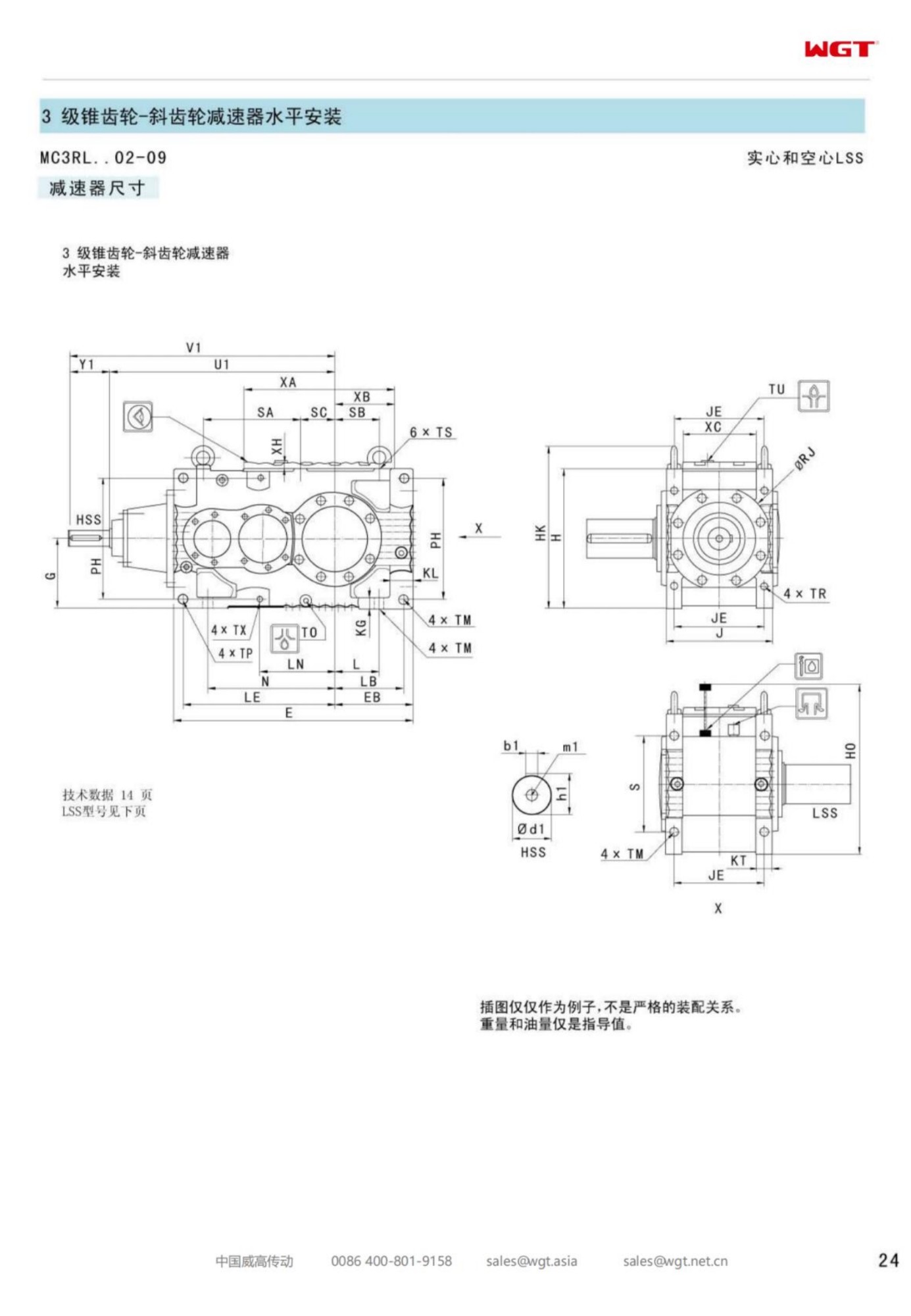
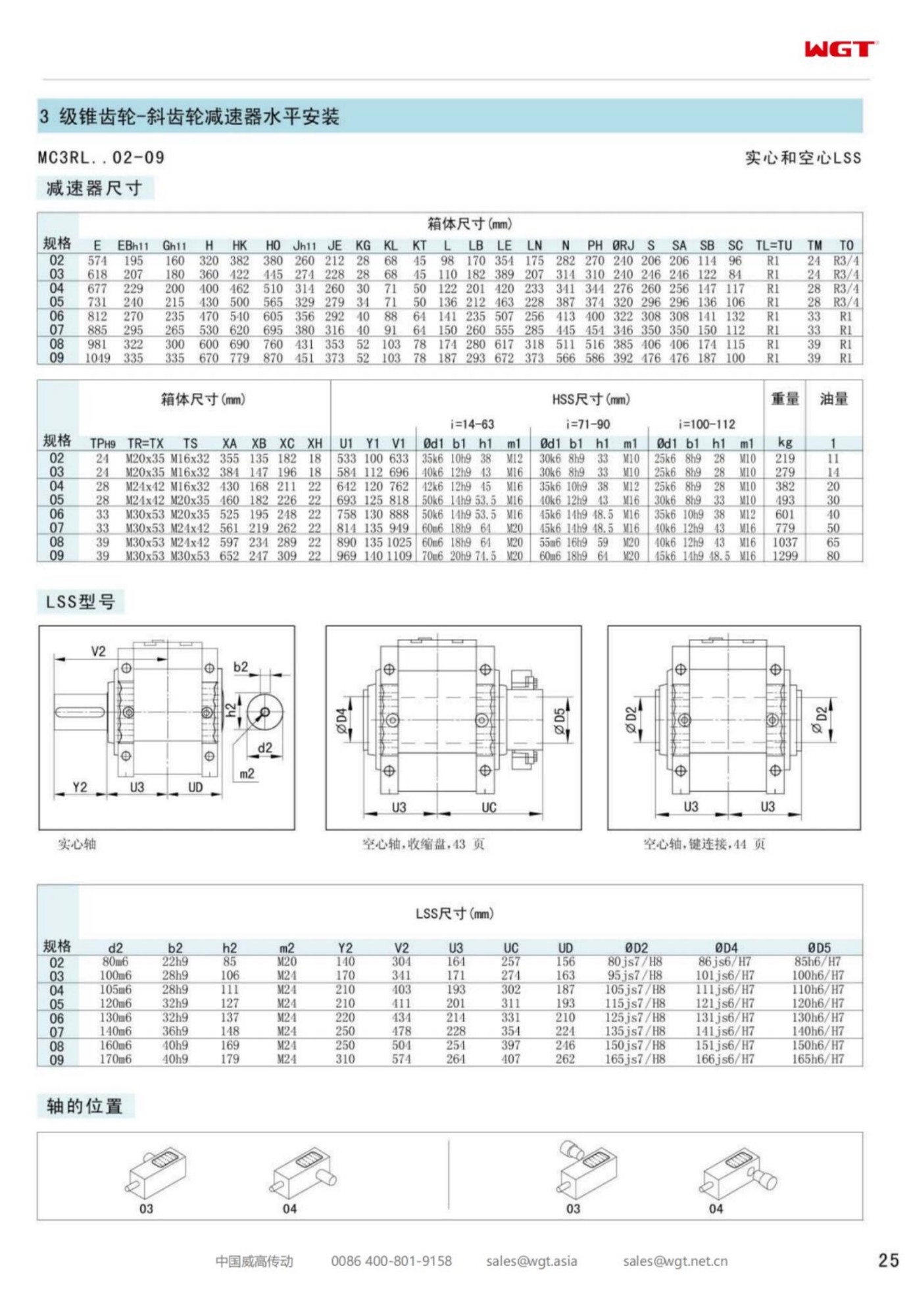
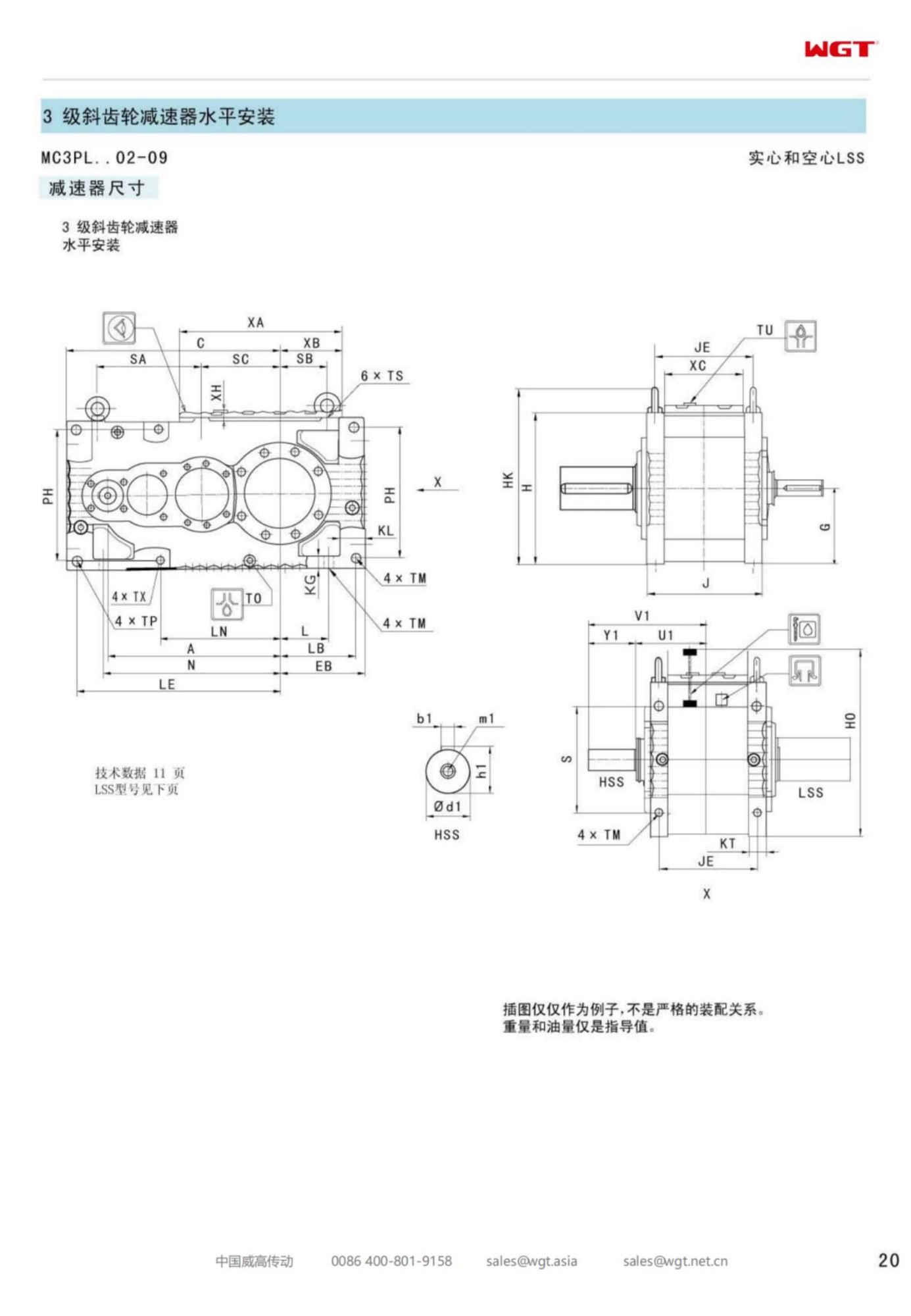
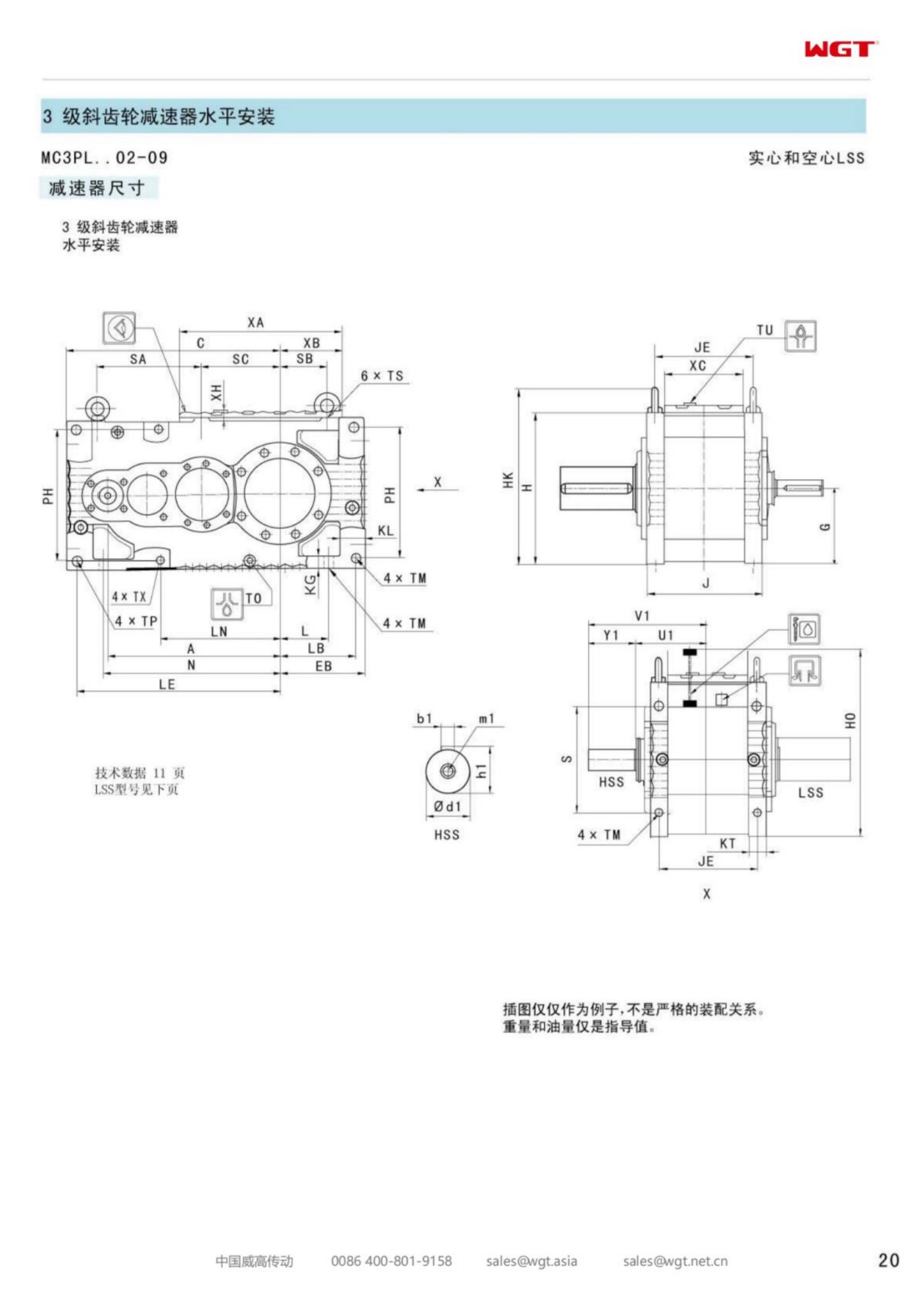
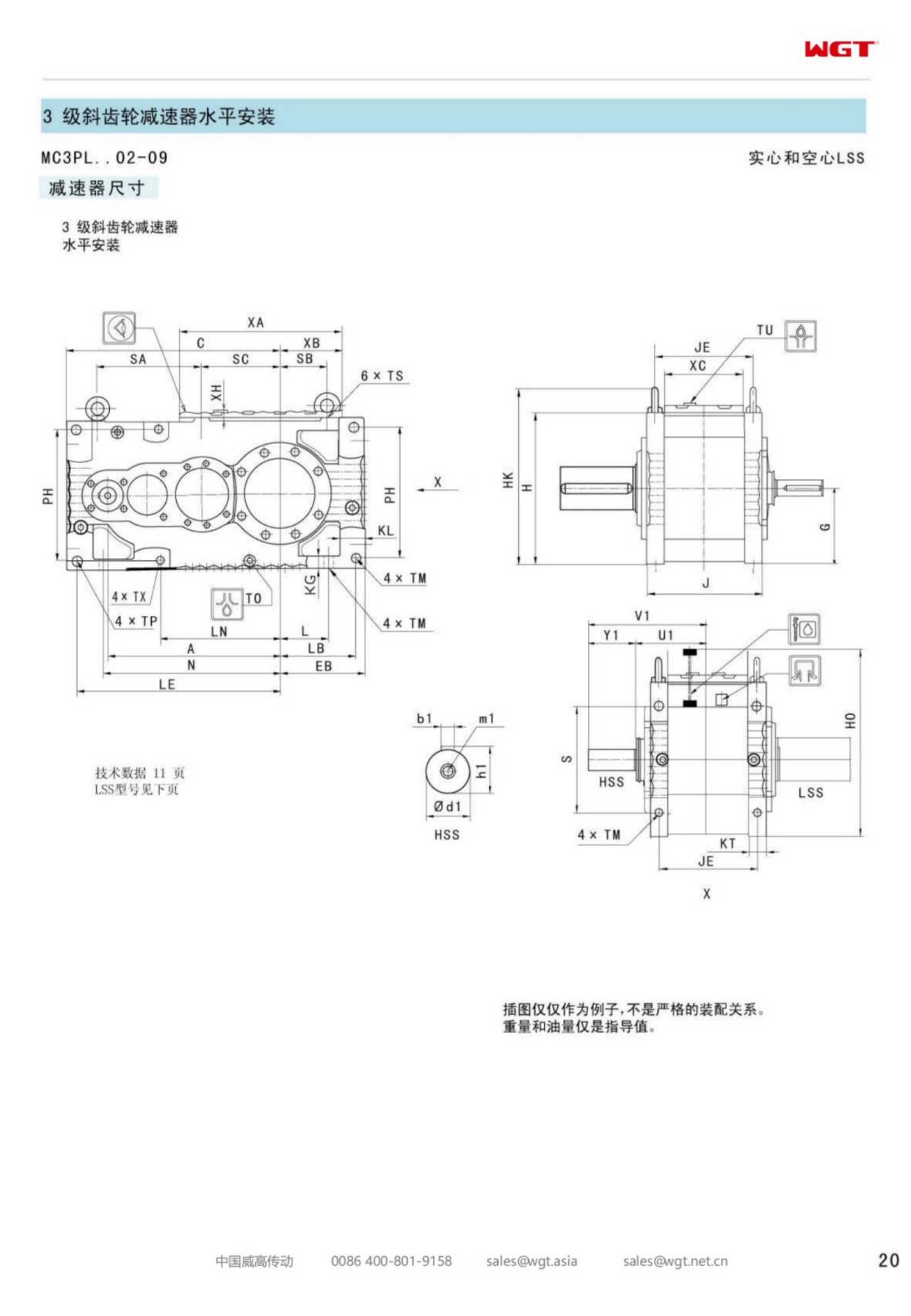
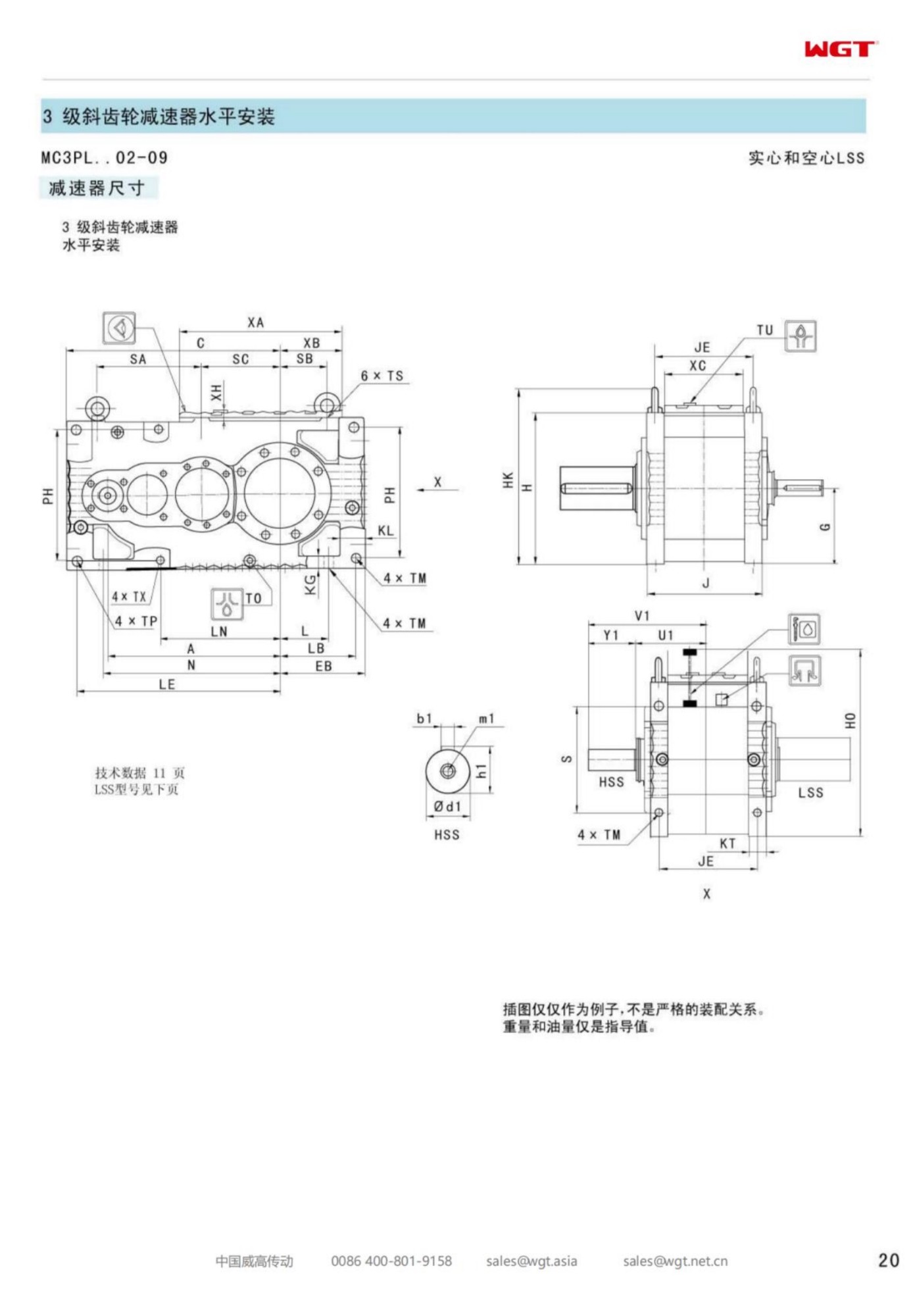
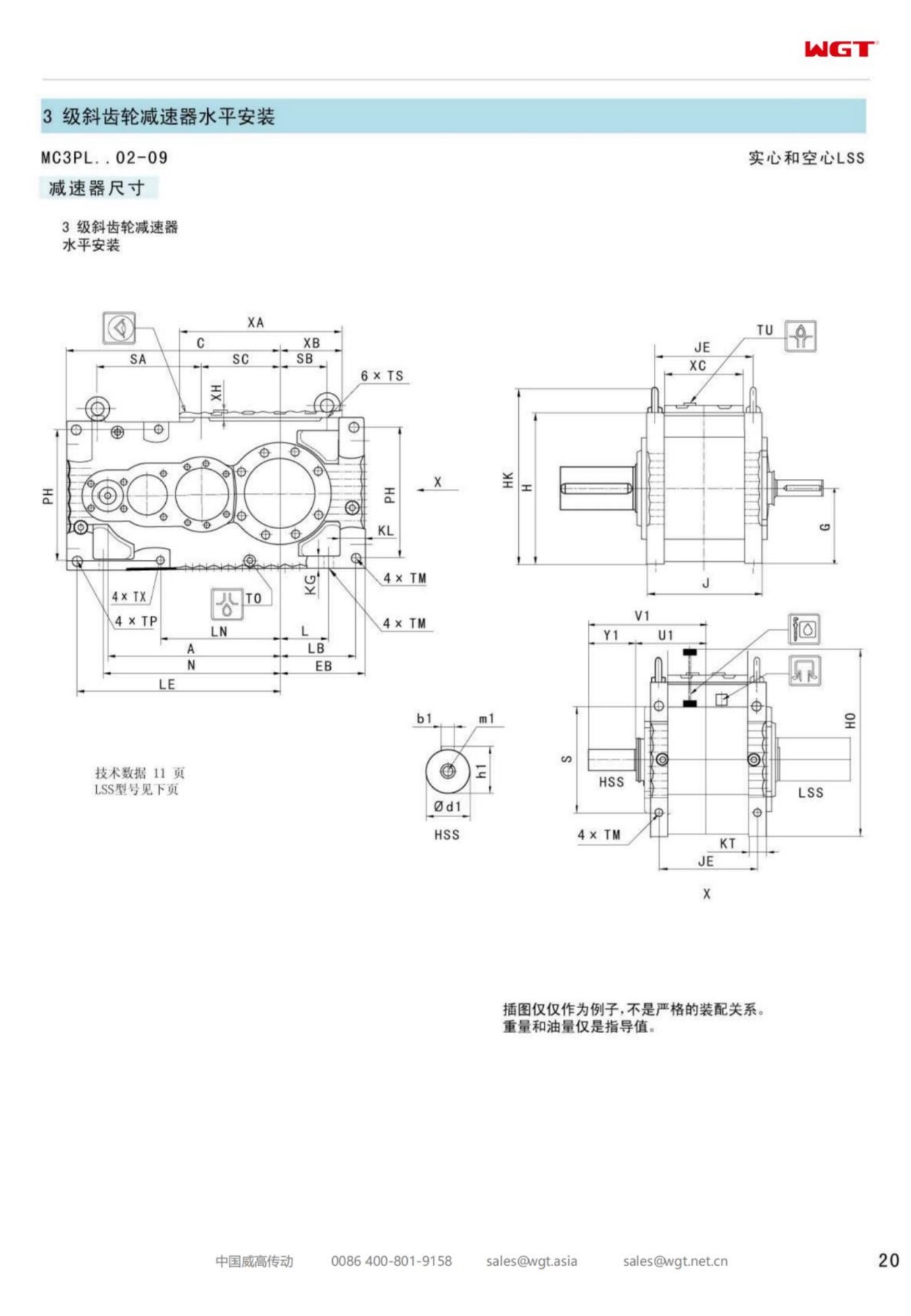
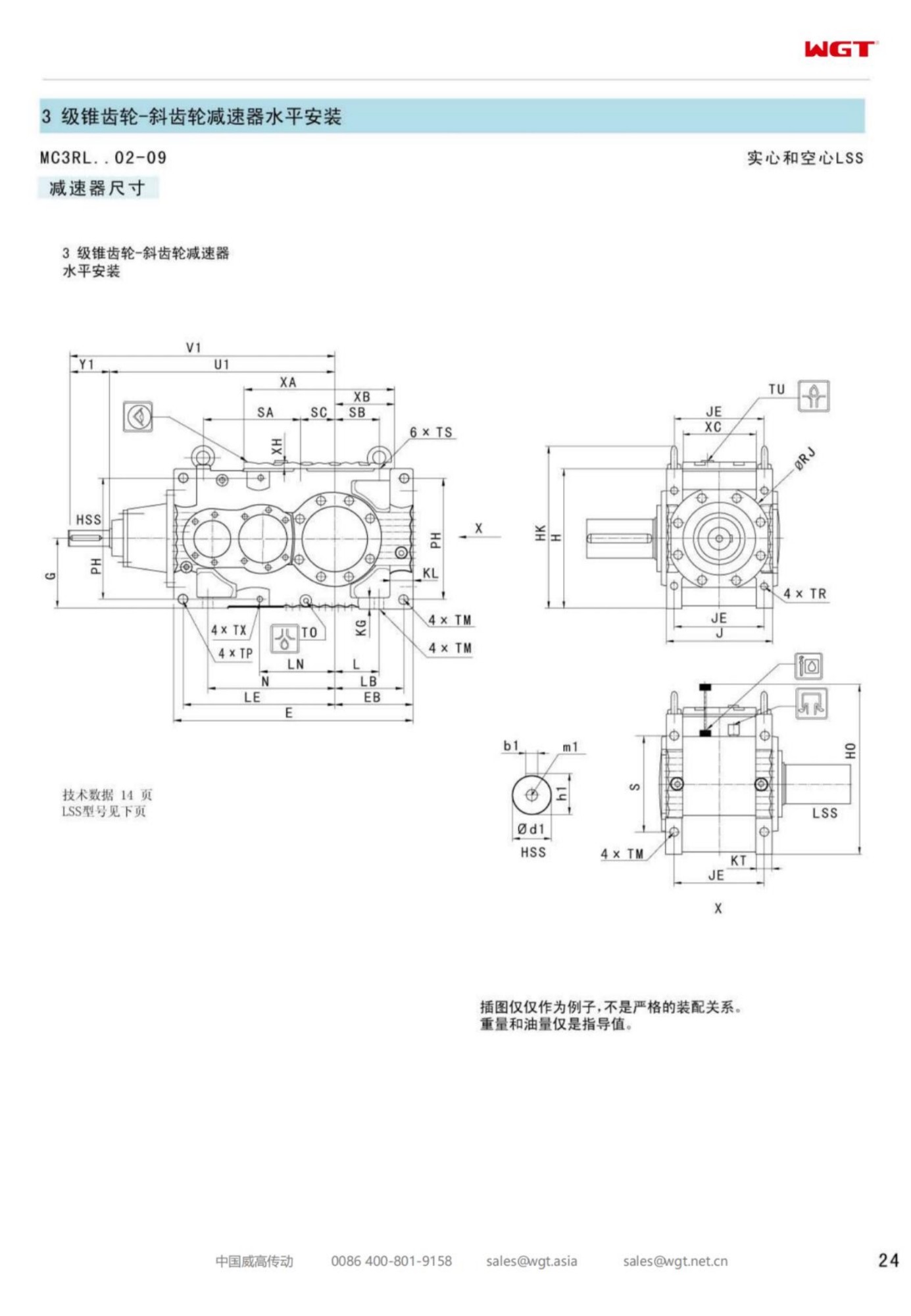
A chipboard mill is a study in continuous duty. Fibre, resin and heat meet in machines that run all shift, and the material handling between them never quite stops. Where a drag chain or discharge conveyor carries the loaded furnish at low speed, the drive needs torque more than it needs speed, and that is the natural ground of the three-stage band. The MC3RLHT05 right-angle hollow shaft gear unit is that frame: the middle of the range, sized for the heavier board-line duties and mounted straight onto the driven shaft.
The notes below cover what resin dust does to a case, why a drag chain is harder on a drive than its tonnage suggests, and how the enquiry should be written so the unit fits the mill rather than the catalogue.
Fibre, Resin and a Line That Runs
Board lines earn their money on continuity. The press is the bottleneck, and everything feeding it - the furnishing bins, the forming heads, the discharge conveyors - is expected to run for the whole shift without a restart. A drive failure upstream is felt as a press starved of furnish, and the recovery costs more than the part.
That shapes the specification more than any single load figure: the drive is chosen for uptime, with margin for the conditions the mill actually runs - the damp morning, the over-thick mat, the chain that has stretched a link too far.
Reading the MC3RLHT05 String
Every position in the code answers a question the mill asks.
| MC | Industrial gear unit family for continuous plant duty |
| 3 | Three stages in the case - two helical reductions into a bevel set |
| R | Right-angle build, the motor set back from the conveyor line |
| L | Level output axis along the chain path |
| H | Hollow output bore keyed onto the head shaft |
| T | Torque-arm bracket, reaction into the mill structure |
| 05 | Fifth frame of the three-stage band |
Three stages deliver the slow speed and the starting torque a loaded chain wants, and the hollow bore removes a coupling from a corner where aligning it would take the line down longer than anyone can afford.
Why Three Stages Suit a Drag Chain
A drag chain is a series of concentrated loads moving through guides, and it never presents the same resistance twice. Slack accumulates, material packs in corners, and the drive sees a torque pattern with peaks well above the average. Three stages give the drive the low-speed torque to ride those peaks from a modest motor, and give the designer a frame that stays compact on a crowded mezzanine.
The extra mesh also adds friction and heat, which on a board line is managed the same way as everything else in the mill: by keeping dust out of the case and oil in good condition. The ratio is the headline; the sealing is what keeps it true.
Resin Dust and Every Joint
The furnish carries resin, and the resin carries to every surface the air touches. On a warm case the dust near the forming line can consolidate into a crust that holds moisture and jams breathers. Covers, fasteners and the breather position decide whether the case survives it.
Specify a breather placed away from the dust plume and above the crust line, covers with real seals, and a paint system that releases rather than absorbs the dust. Then put the case on the cleaning schedule - a drive that is never wiped down will grow its own insulation, and the oil temperature will explain the rest.
The Chain That Gathers Slack
Chains stretch. As they do, the take-up travels, the load distribution shifts, and the drive meets a restart that is not the restart it was commissioned against. The classic symptom is a drive that ran quietly for two years and then began tripping on Monday mornings.
The answer is a maintenance habit rather than a bigger motor: check the take-up on the same schedule as the oil, and note the trend. When the enquiry states that the chain will be maintained and how, the service factor can be argued honestly instead of padded by guesswork.
Torque Arm into the Mill Structure
Board mills are steel-framed buildings that grew by extension, and the member available for the arm stay is not always the one the drawing hoped for. The torque arm works as long as its reaction lands on something that does not flex when the chain snatches.
Land the stay on a primary column or a main beam, square to the reaction, and spread the load with a plate. Inspect the bracket welds at every major shutdown; a structure that carries a vibrating press has usually been modified since the drive was installed, and the arm is the last place anyone looks.
Heat from the Press Line
The nearer the drive sits to the press, the warmer its world. Radiant heat raises the case temperature, thins the oil and shortens the bearing life that the catalogue assumed for a cool hall. None of this shows until the first oil sample or the first hot bearing.
If the mounting position is fixed and warm, say so on the enquiry. The supplier can adjust the oil grade, add a sampling point and confirm the frame against the real ambient - three lines of text at order stage that prevent the warm-trip conversation two summers later.
Shift Patterns and the Duty Cycle
A mill that runs two shifts six days writes a different duty cycle from one that runs around the clock. Starts, stops and the idle period between shifts all matter to the bearings and to the seals, and they matter to the specification of the breather and the heater if the mill stops in winter.
Describe the real pattern - shifts, stoppages, whether the line sits full of furnish over the weekend - and let the drive be specified against it. The difference between a duty cycle documented and a duty cycle assumed is usually the difference between a boring unit and an interesting repair.
Seals Against Fibre and Fines
Wood fibre is gentle to the touch and hard on a seal lip. It packs into the gap ahead of the lip, works in with the rotation and abrades the shaft where the lip runs. A shaft that has been worn by fibre will kill every seal fitted to it afterwards.
A dust lip ahead of the main seal, a shaft surface specified smooth at the seal path, and a mounting position that avoids the direct fallout from the forming line are the three measures that work. They cost little at order stage and cannot be retrofitted.
Bearings Under a Snatching Load
A drag chain does not load a drive smoothly. Each flight picks up its share in a jerk, and the bearings live with that pattern for their whole life. It is rarely the gears that complain first; it is the bearing at the output end that begins to sing at one particular point in the chain's travel.
Because the pattern is periodic, it is measurable: note where in the cycle the noise appears, and it will tell you more about the chain than about the gearbox. Fixed mounts, correct belt or coupling alignment upstream and an honest take-up tension keep the snatch small enough that the bearings forget it.
Writing the Enquiry for a Board-Line Drive
The enquiry that gets this frame right names the machine and the mill: drag chain or conveyor, its length and load, the head shaft dimensions and condition, the starting condition after a full stop, the dust and heat at the mounting position, the shift pattern, and the steelwork available for the stay.
The reply should come back as a system: bore and key against the drawing, ratio and output speed, service factor argued on the loaded chain and its slack, seals and breather for resin dust, oil grade confirmed for the real ambient, and arm geometry against the mill frame. Then the unit is part of the line, not a spare waiting for a problem.
A Frame Five Through the Press Campaign
Board lines are judged between major shutdowns, when the press has run its hours and the handling around it has quietly held the schedule together. The drives that last are the ones whose bore fits were true, whose take-ups were watched, and whose oil was sampled before it was needed.
Frame five carries its half with three stages that turn a loaded chain from a compact case, a hollow bore that spares a coupling in a tight corner, and seals chosen for the fibre that actually falls on it. The press carries the rest - and the press is what the mill sells.
Resin dust, a stretching chain and a press that cannot wait - three stages turn it:
- Drag chain discharge conveyor at a chipboard mill
- Furnishing bin discharge screw on a board line
- Mat forming line transfer conveyor before the press
- Sander dust extraction screw at the finishing end
- Boiler fuel drag chain feeding the mill energy plant
- Board edge trim conveyor after the saw
Selection Example: Drag chain discharge conveyor at a chipboard mill
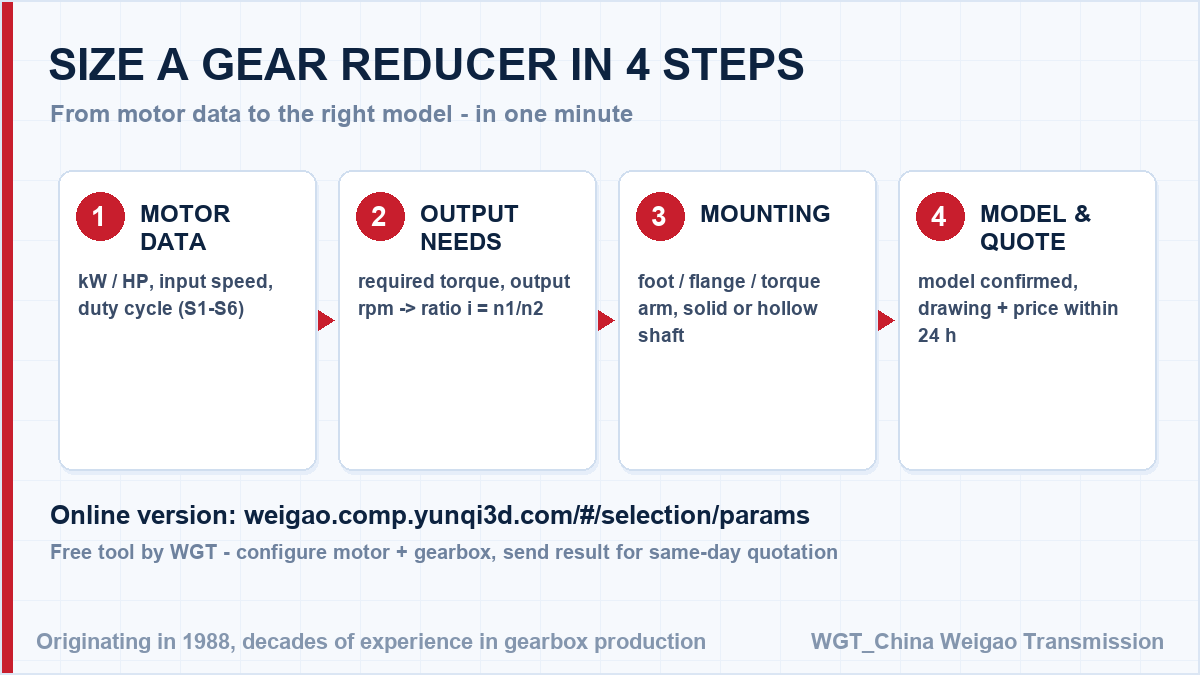
Take a 18.5 kW motor at 1465 rpm turning the chain at 11 rpm. The ratio follows directly: 1465 / 11 = 133, so a ratio near i=132 comes out of the three-stage right-angle band, and the service factor is argued on the snatching chain and its gathered slack rather than on the average tonnage. In this case frame five carries board-line duty with a bore keyed to the head shaft, an arm stay into a primary mill column, and seals chosen for resin dust. Work through the same three steps - speed, output speed, torque - and the model number falls out; we verify it against the duty class before quoting.
![gear reducer ratio calculation steps]()
From duty point to model number - the same four steps every time.
Applications in Industry
Overland conveyor system
A mining company drives a two-kilometre overland conveyor with heavy-duty helical gear units at the head station. Continuous 24-hour duty, frequent starts under full load and minimal maintenance windows were all part of the specification.
Cement plant bucket elevator
A cement works renewed the gear units on its bucket elevators during a kiln shutdown. The new units bolted onto the old foundations without modification, and the elevator was back in service within the planned window.
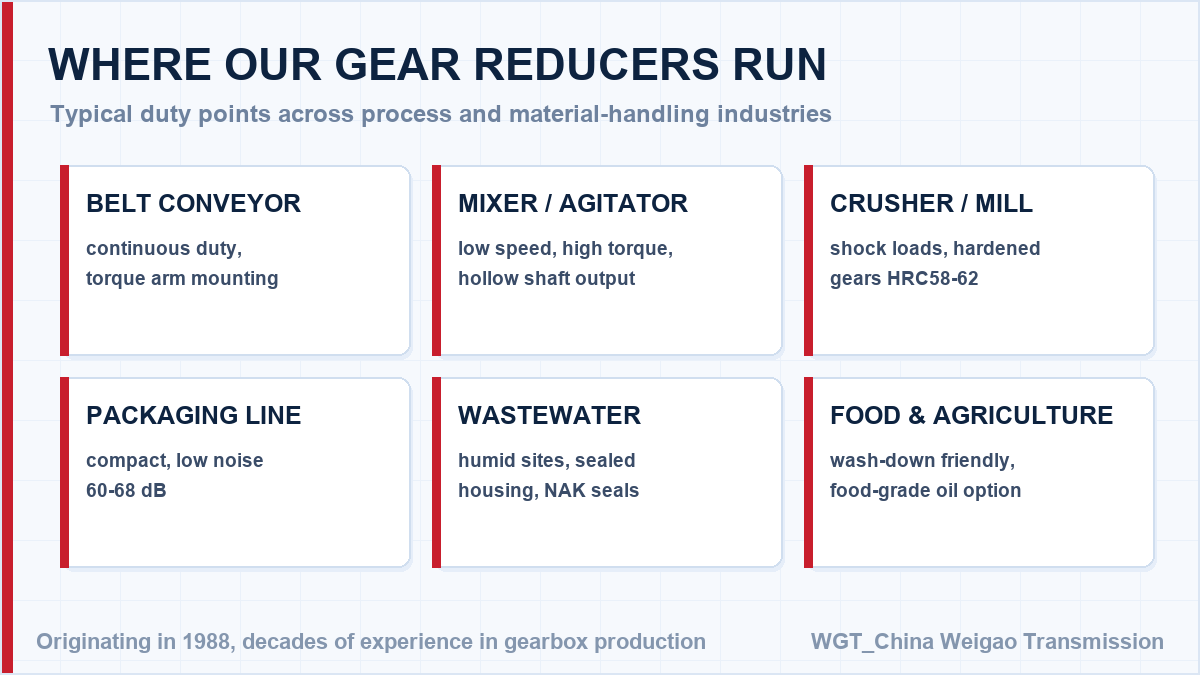
![gear reducer industries served - WGT]()
Industry map: the sectors where the M3 series is most common.
Buyer Questions and Answers
Can you supply vertical-shaft versions?
Yes. Vertical builds of the same industrial family cover the smaller size band and are common on vertical mixers, agitators and clarifier drives. State the orientation when ordering so oil levels and breathers are set correctly.
What documentation comes with an industrial gear unit?
Every shipment carries an installation manual, a dimension drawing, the nameplate data and a bench test record covering noise, temperature rise and backlash. Material certificates for shafts and gearing are available on request.
M3 Series Model Overview
| Model | Centre distance | Output | Typical duty |
|---|
| M3PSF50 | size 50 | solid shaft, foot | conveyors, feeders |
| M3PSF60 | size 60 | solid shaft, foot | crushers, mixers |
| M3PSF70 | size 70 | solid shaft, foot | ball mills, shredders |
| M3PSF80 | size 80 | solid shaft, foot | kilns, heavy conveyors |
| M3PSF90 | size 90 | solid shaft, foot | mill and kiln drives |
| M3RSF50 | size 50 | solid shaft, foot, right-angle | inclined conveyors, elevators |
| M3RSF60 | size 60 | solid shaft, foot, right-angle | screw classifiers, feeders |
| M3RHF70 | size 70 | hollow shaft, foot, right-angle | agitators, drum drives |
| M3PHT80 | size 80 | hollow shaft, torque arm, parallel | shaft-mounted conveyors |
| M3RHT90 | size 90 | hollow shaft, torque arm, right-angle | heavy shaft-mounted drives |
The series is sized for continuous heavy duty rather than by motor power alone: the required torque with the service factor decides the frame, and the stage count (2 to 5) decides the ratio band.
Site Survey Data? We Size It for You
Have the machine data but not the model? Run your duty point through the WGT Motor & Gearbox Online Selection System first: it saves a round of emails and gets you to a firm price faster.
Send the conveyor length, belt speed, drive pulley diameter or the machine duty description. We run the full selection - ratio, frame, service factor - and return the datasheet with the quote. Looking for a gear reducer for food processing machine? Tell us the duty point and we will confirm the model in writing.