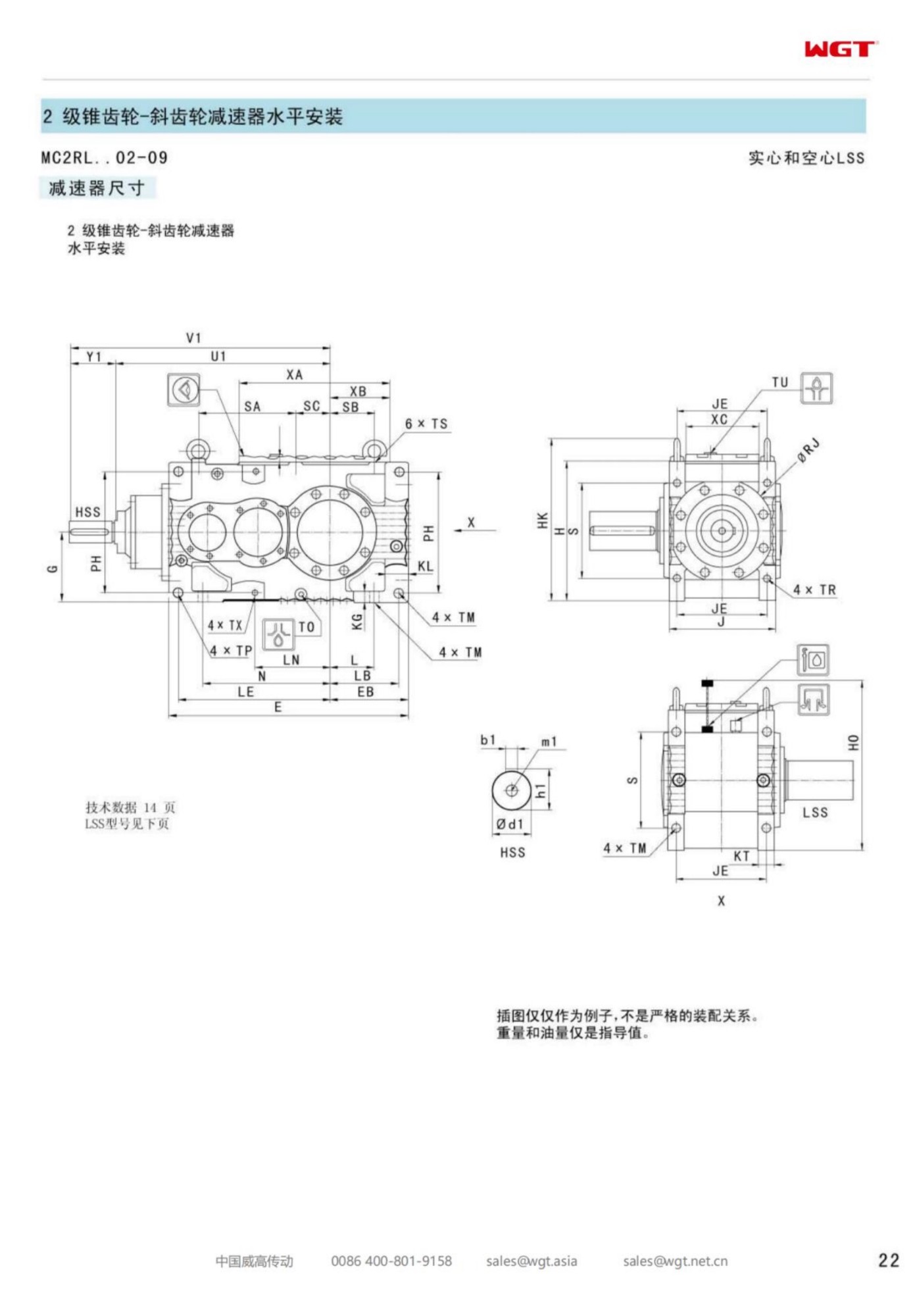
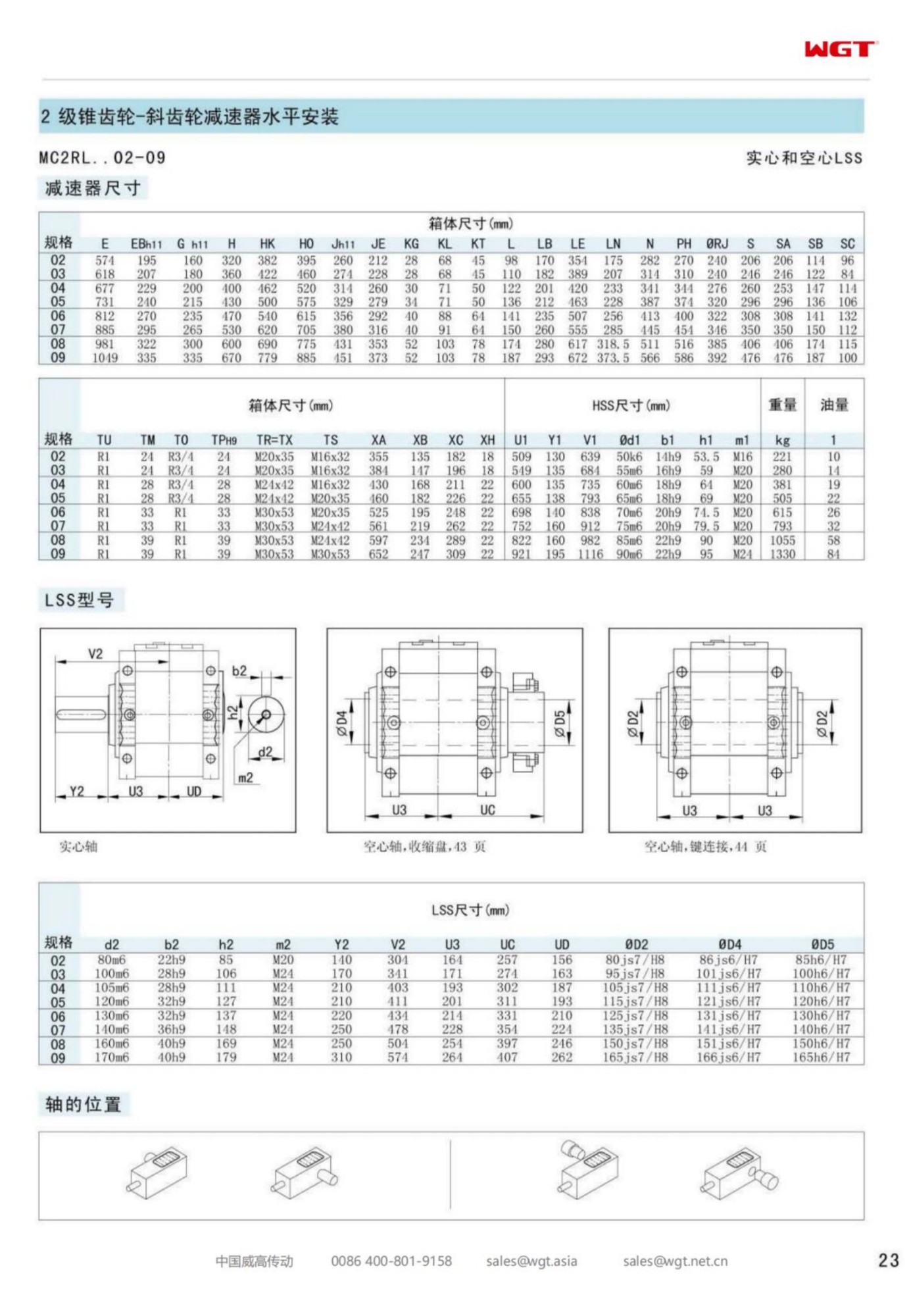
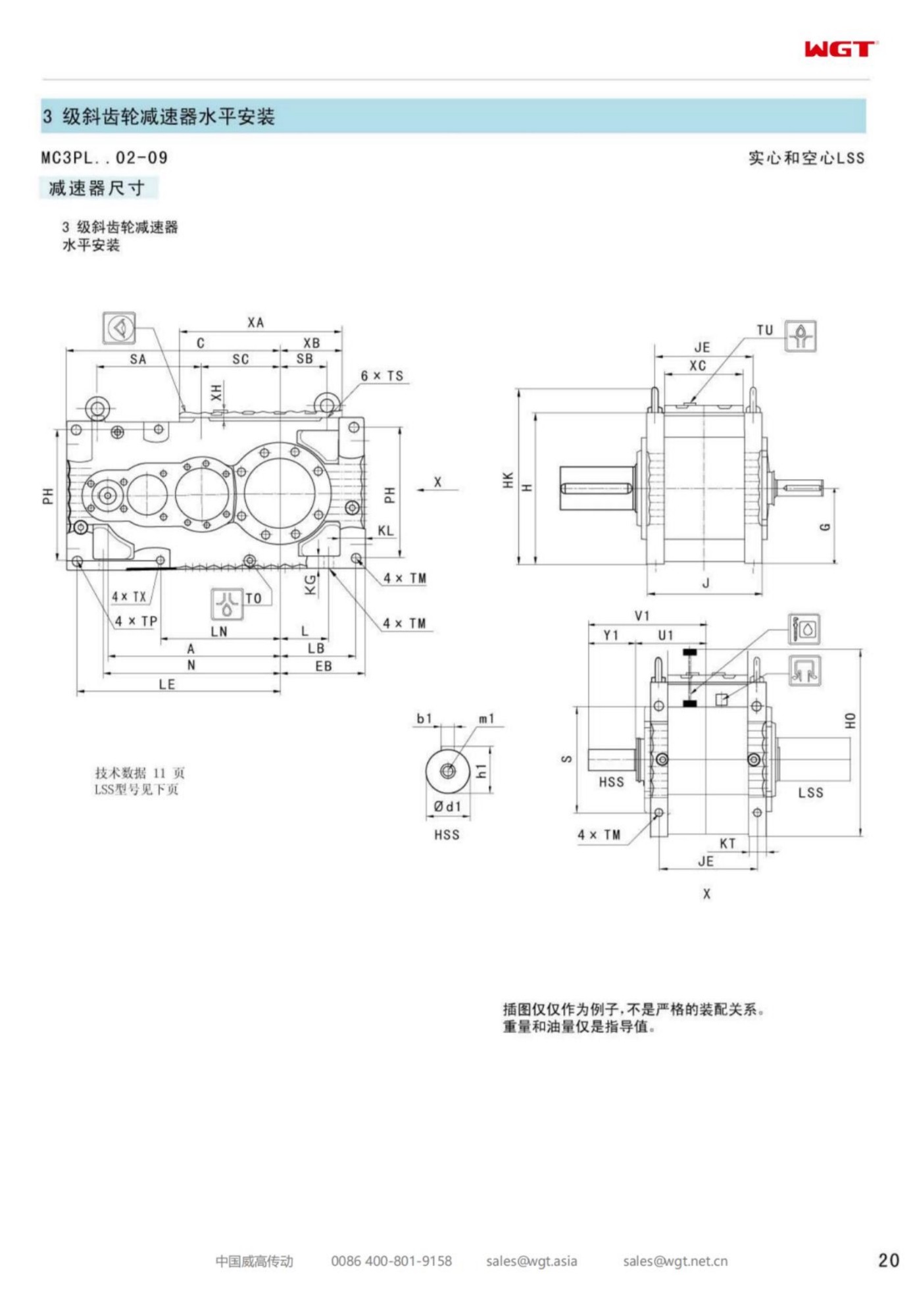
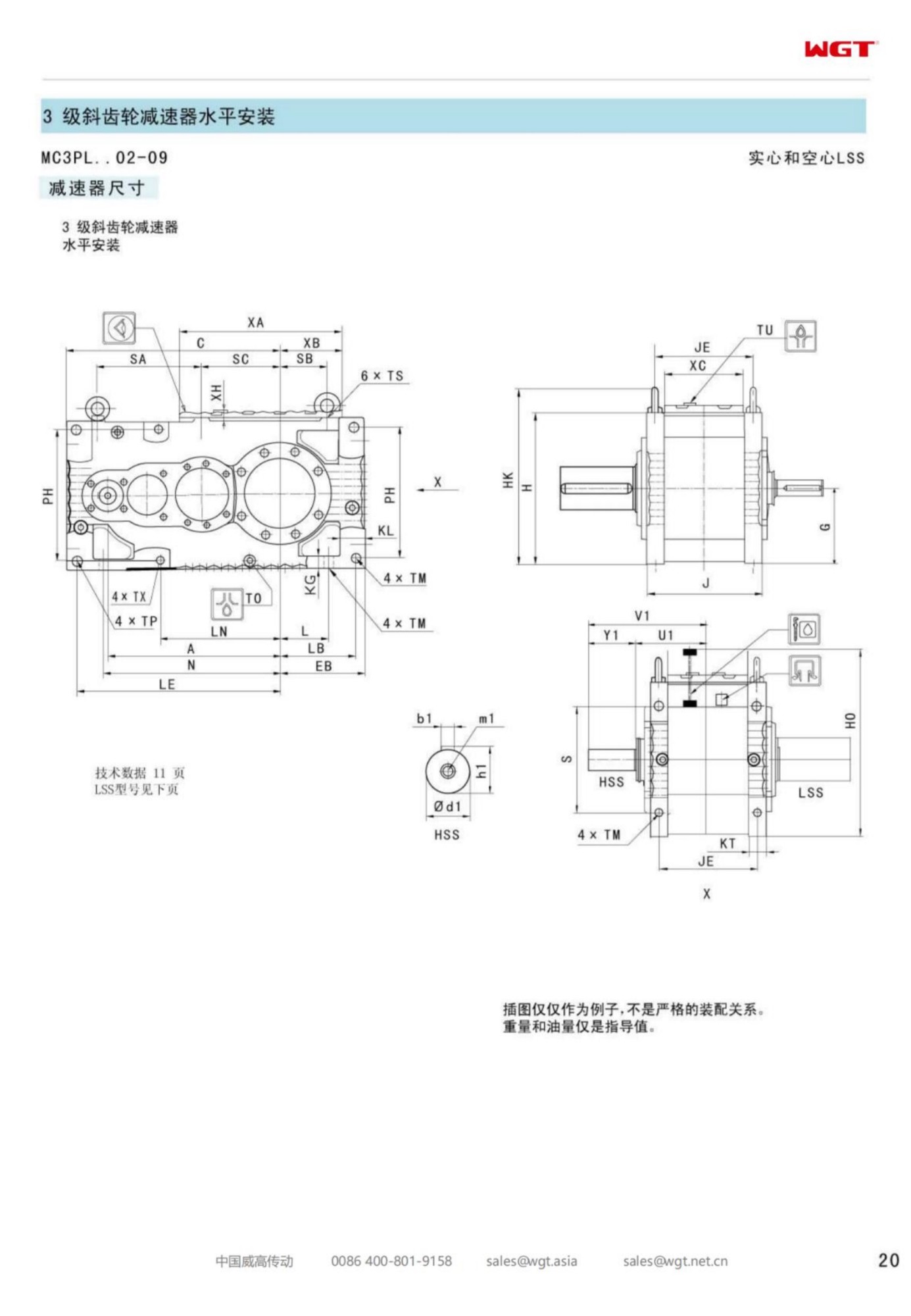
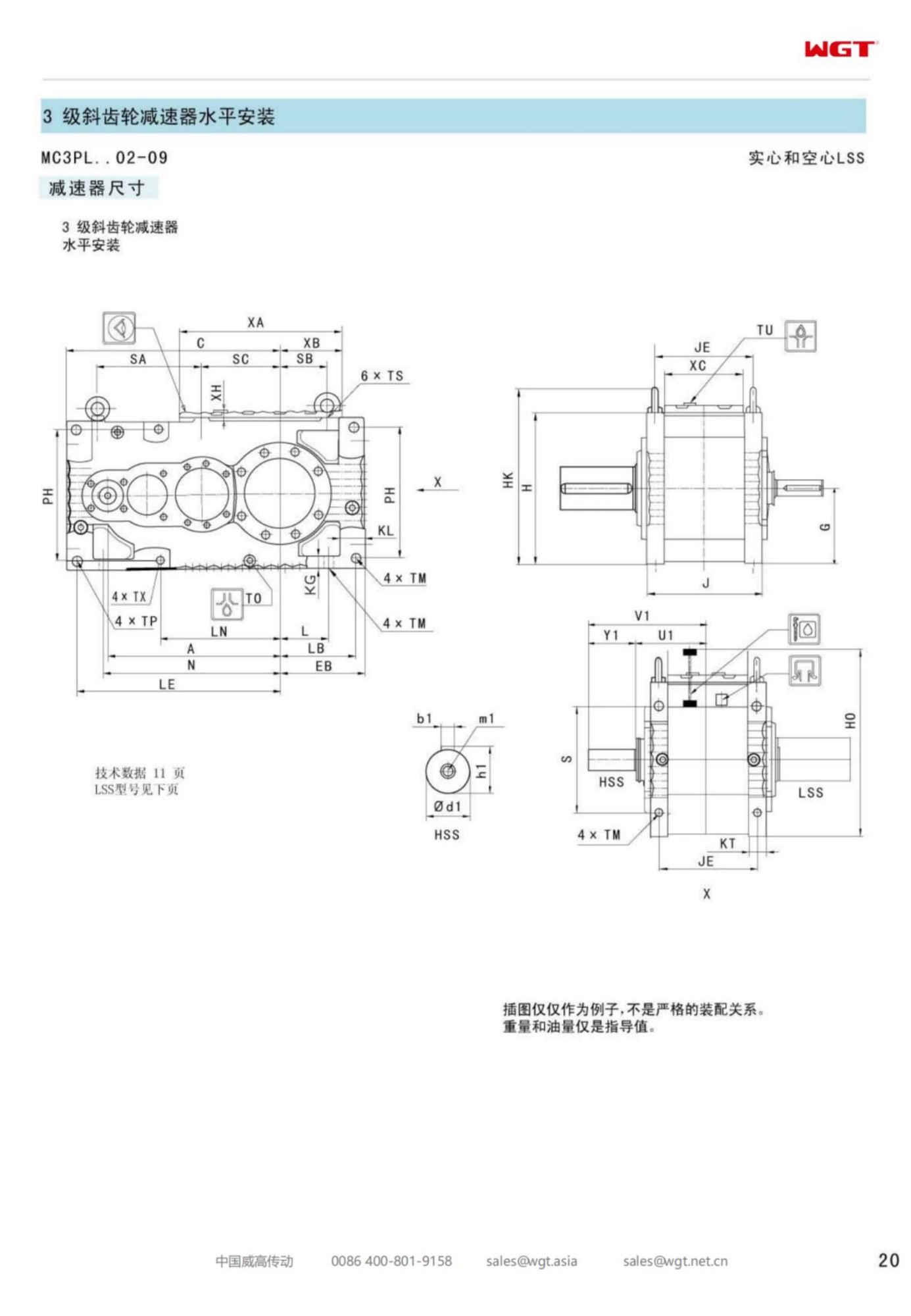
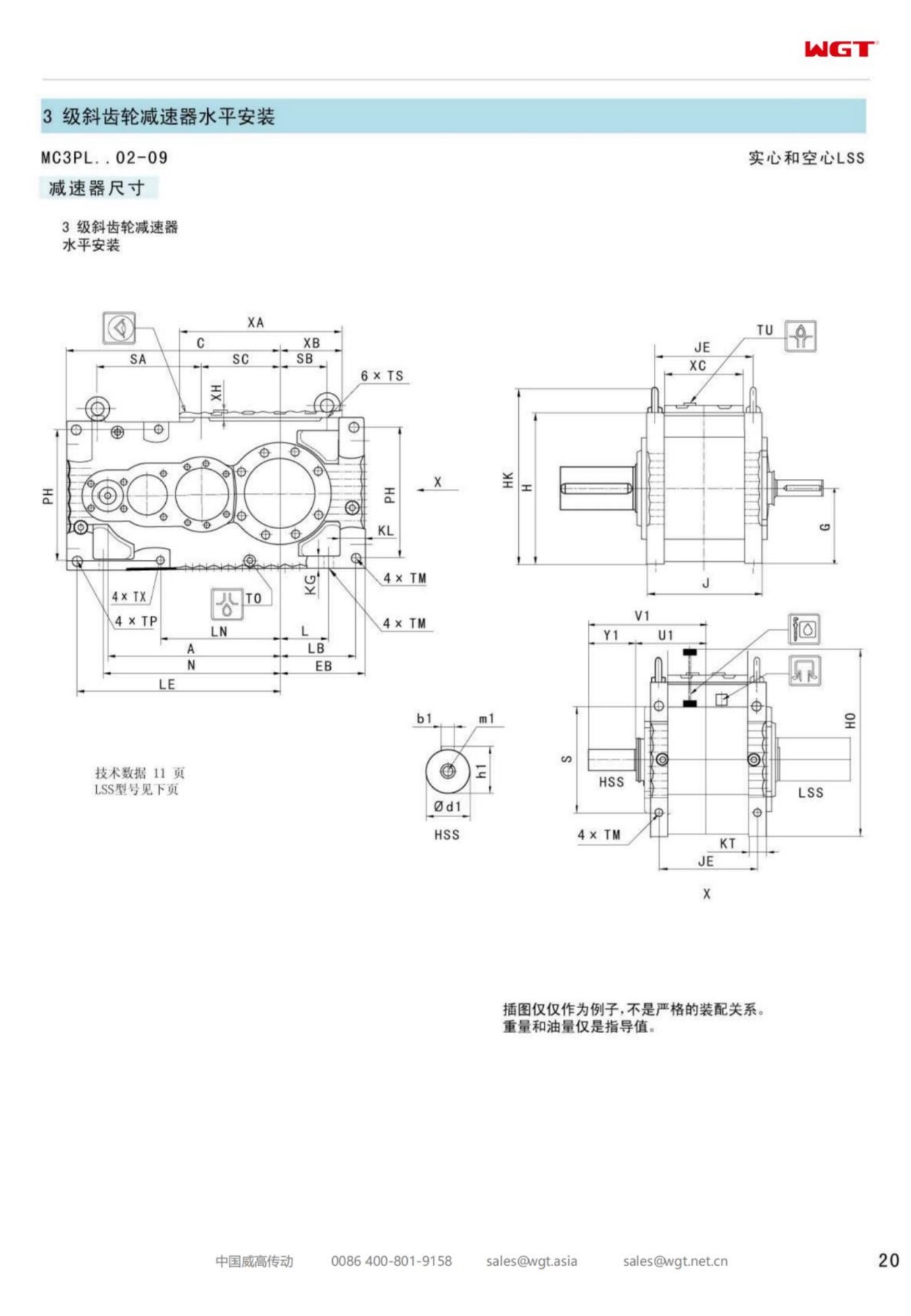
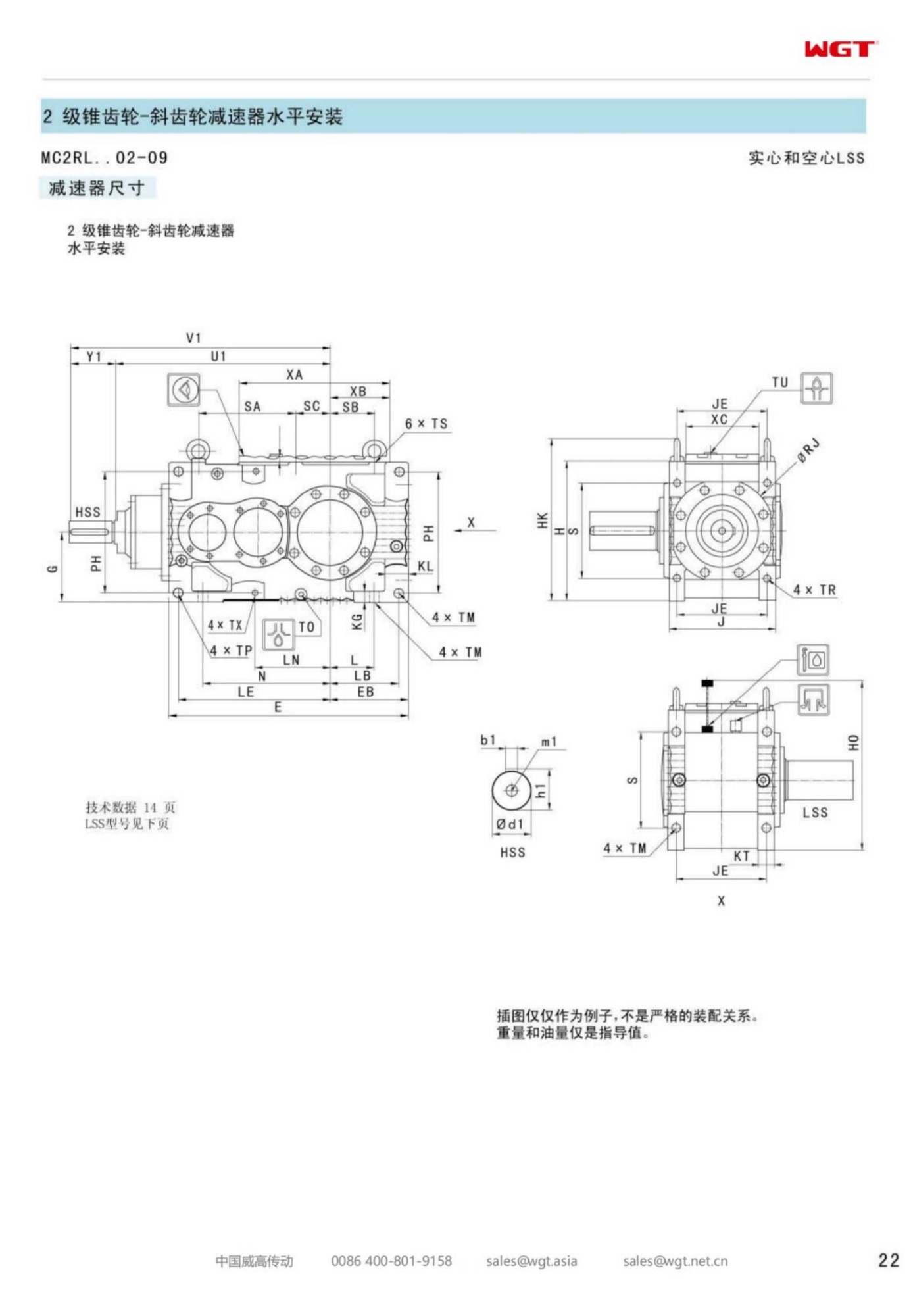
A maltings answers to an older clock than most factories. Barley arrives by the shipload, steeps and turns on its own schedule, and the kilns run whether or not the rest of the week is convenient. Between the steeping tanks and the dressed-malt silos sits a chain of conveyors that must keep pace with every one of those stages. The MC2RLHT04 right-angle hollow shaft gearbox is the frame this family quotes for that work: kiln discharge belts, dressing-line take-aways and the transfer runs that fill the silos.
This page is written for maltsters and the engineers who keep the plant turning: what kiln heat does to a drive parked beside the discharge, why steep water turns a wash-down into a specification item, how a torque arm suits steelwork that was never poured for a foundation, and where the start pattern of a turning floor shapes the frame. It closes with the enquiry sheet that makes the order match the plant.
Malt Dust on a Warm Case
Malt dust is finer than it looks and hungrier than most. It drifts off every transfer point, finds the warm surface of a gearbox case, and settles into a felt layer that holds moisture against the paint. Left alone it discolours joints, blankets the breather and gives the next audit something to write about.
The countermeasure is specified at order time and kept alive on the shift: a breather that filters what the house breathes, a dust lip riding ahead of the output seal, and case surfaces treated as wipe-down items on the walk. Maltsters who add the case top to the housekeeping route keep their paint for a decade; the ones who wait buy seals and a bearing set instead.
Reading the MC2RLHT04 String
Each position in the type code answers a question a maltster asks on the first walk-round of a new line.
| MC | Industrial gear unit family built for continuous plant duty |
| 2 | Two stages in the case, a helical set working into a bevel set |
| R | Right-angle build, the motor set across the conveyor run |
| L | Level output axis, lying parallel to the malting floor |
| H | Hollow output bore keyed straight onto the driven shaft |
| T | Torque-arm bracket, reaction carried into an adjustable stay |
| 04 | Fourth frame, midway up the bore ladder |
The code fixes the geometry; the order must fix the duty. Kiln discharge temperature, dust loading by transfer point, wash-down chemistry, the start count of the turning floors, the stay length the steelwork allows, and the shaft details at the belt - these decide seals, paint, oil and bracket long before the kilowatt figure enters the conversation.
Frame Four in the Middle of the Plant
Frame four sits where the maltings stops being a collection of light conveyors and starts moving product by the tonne: the discharge off the kiln, the belt into the dressing screens, the long transfer run that lifts the silo fill. Torque is real but not extreme; the hours are the demanding part, because a malting schedule gives few of them back.
The frame answers with gearing that turns belt speed without ceremony, bearings sized for the shock a loaded discharge delivers at every start, and an oil volume that reaches working temperature quickly in a building that never quite dries out. It is a steady frame for a plant whose rhythm was set by the barley, not by the production plan.
Steep Water and the Wash-Down Clock
Steep tanks drain on a schedule, and the water that leaves them is not clean. It carries grain fragments and dissolved sugars to the floor drains, and any drive in the splash path gets a dose on the same schedule. The wet is mildly acidic, it dries sticky, and it returns twice a day without asking.
The specification has to meet it honestly: seal material chosen for the exposure, a paint system that survives alkaline cleaning agents, and fasteners that will still turn after a season of splash. A hollow-bore unit hung on the shaft offers fewer ledges for residue than a footed case on a plinth, and that difference compounds across every wash-down the schedule owns.
Kiln Heat on the Discharge Belt
Malt leaves the kiln warm, and the conveyor that takes it away lives in that warmth long after the door closes. The case runs hot to the touch, the oil ages faster than the ambient chart admits, and the paint blisters first where the airflow concentrates.
Distance is the cheapest answer, but the layout rarely offers much of it. Declaring the air temperature at the drive position - not the hall average - lets the oil grade and the seal material be chosen against the figure that matters. A drive running ten degrees warmer than assumed doubles its oil wear quietly, across months nobody logs, and the enquiry is the only place that assumption gets corrected.
Hanging the Drive on Existing Steelwork
Maltings were built in decades that poured floors for machines that no longer exist, and cutting new foundations beside a transfer belt is rarely welcome. The torque-arm build answers the geometry: the unit hangs on the driven shaft by its bore, and the arm passes the reaction into an adjustable stay pinned back to structure that is already there.
Two details keep the arrangement quiet for years. The stay should be long enough that adjustment does not steepen the angle and multiply the pin load, and the receiving structure should be checked for a stall, not just a running load, because a choked discharge loads the bracket far beyond the nameplate. Arms pinned through bushed holes with a grease point the fitter can reach stay out of the vibration report.
Turning Floors and the Start Pattern
Germination floors turn their beds on a schedule, and every turn ripples through the conveyors that feed and empty them. Starts arrive in bunches, some of them loaded, and the controls decide whether the belt clears before it restarts or bites straight into a part-drawn bed.
Start frequency deserves a line in the enquiry, not a guess. Twenty gentle starts a shift cost less than five loaded restarts after a blocked chute, and the frame that is sized for the real pattern carries its margin with room to spare. Declaring starts per shift, restart practice and the worst jam the operators remember lets the gearing be chosen for the season that will test it rather than the one that flatters it.
Spent Grain and the Screw Line
Spent grain leaves the plant wet, heavy and unforgiving. The screws that move it run slow, loaded and dirty, and a gearbox on that line lives with a torque trace that follows the consistency of the load rather than any average the schedule predicts.
Frame four covers the lighter end of that duty, and the specification should say which end it is getting. Declare the consistency the screw actually sees, how the site clears a choke, and whether the drive restarts under load or after the casing is raked down. A frame with margin reserved for the bite runs the same screw for years; one sized on the flowing case pays the difference later.
Cleanout Chemistry and the Paint Choice
Food-adjacent plants clean on a calendar, and the agents they use are chosen for the soil, not for the paint. A gearbox in the splash zone inherits that chemistry whether the order admits it or not, and a coating that looks fine in the brochure can chalk and peel through a single season of scheduled washes.
The fix costs nothing at order time: name the cleaning agents, their strength and their frequency, and let the paint system and the fastener finish be picked against them. A case that wipes clean on the walk stays presentable; a case that flakes in the splash zone turns every audit into a negotiation.
Humid Air and the Breather
A maltings is a humid building by design, and the sump of a gearbox that cycles from hot to cold each shift breathes that humidity in. Water arrives where oil was, quietly, and the first sign is usually a milky sample rather than a complaint from the floor.
Three small habits hold the line: a breather that filters and dries what the case inhales, oil graded for the coldest start the site records, and samples taken on a calendar instead of on suspicion. Maltsters who fix the sample dates to the steeping schedule catch the water while it is still a maintenance item rather than a bearing job.
Writing the Enquiry for a Maltings Drive
The enquiry that gets this frame right reads like the plant it serves: shaft diameter, keyway and seat length at the belt; conveyor type, speed and the tonnage the discharge actually moves; air temperature at the drive position during kiln weeks; dust loading by transfer point; wash-down chemistry and its frequency; starts per shift on the turning schedule; and the stay length the steelwork allows.
The reply should answer item by item: bore and keyway against the drawing, ratio and belt speed, service factor argued from the turning bursts and the restart practice, seals and breather named for the dust and the humidity, paint and fasteners chosen for the cleanout, and the arm geometry confirmed against the stay. One page each way, and the frame arrives matched to the plant rather than to the catalogue.
A Frame Four Through the Turning Season
The verdict on a maltings drive is written at the season boundary: seals that held through the dust and the wash-downs, an oil sample with nothing new in it, arm pins without play, and a case that still carries its paint. Frames that earn that report were hung on measured shafts, pinned through bushed brackets, and sized against the real start count.
Frame four carries its share with steady gearing, a filtered breather and margins held against the surge. The plant's share is the walk, the calendar and the honest enquiry. Maltsters who pay both halves run the next season on the same drives - and in a trade where the barley sets the clock, that continuity is worth more than any catalogue figure.
Kiln heat, steep water and malt dust on every ledge - frame four keeps the maltings moving:
- Kiln discharge belt at a floor maltings
- Dressing-line take-away conveyor feeding the grading screens
- Malt transfer conveyor into the silo fill elevator
- Spent grain screw feeder at a brewery complex
- Steep tank discharge conveyor on the wash-down schedule
- Loaded-malt transfer belt at a regional malting plant
Available Frames and Their Typical Duty
| Model | Centre distance | Output | Typical duty |
|---|
| M3PSF50 | size 50 | solid shaft, foot | conveyors, feeders |
| M3PSF60 | size 60 | solid shaft, foot | crushers, mixers |
| M3PSF70 | size 70 | solid shaft, foot | ball mills, shredders |
| M3PSF80 | size 80 | solid shaft, foot | kilns, heavy conveyors |
| M3PSF90 | size 90 | solid shaft, foot | mill and kiln drives |
| M3RSF50 | size 50 | solid shaft, foot, right-angle | inclined conveyors, elevators |
| M3RSF60 | size 60 | solid shaft, foot, right-angle | screw classifiers, feeders |
| M3RHF70 | size 70 | hollow shaft, foot, right-angle | agitators, drum drives |
| M3PHT80 | size 80 | hollow shaft, torque arm, parallel | shaft-mounted conveyors |
| M3RHT90 | size 90 | hollow shaft, torque arm, right-angle | heavy shaft-mounted drives |
Note that PSF and RSF frames of the same size share the mounting footprint; the R build simply inserts a bevel stage, so switching layout rarely forces a foundation change.
Questions and Answers
Do you supply spare parts such as seals and bearings?
Seal kits, bearings, output shafts and covers are available from stock or on short lead time. We keep the drawings for every unit we ship, so a replacement part ten years from now is still traceable to your original order.
How is each unit tested before shipment?
Every unit is run in on the bench before packing. Noise, temperature rise and backlash are recorded and the test sheet travels with the shipment, so you can file it with your incoming-inspection records.
What payment terms do you accept?
We normally work on 30% deposit and 70% against the bill-of-lading copy for sea freight, or 100% before dispatch for small orders. Other terms can be discussed for framework or repeat business.
Installation Examples
Dust-extraction fan bank
An environmental-equipment plant uses reducers on the rotary valve feeders of its dust-extraction systems. Compact size, quiet running and food-grade oil options made the approval easy.
Steel mill run-out table
On the run-out table of a small steel mill, units handle the repeated starts and stops of hot billet handling. The 42CrMo output shafts tolerate the thermal cycling, and torque-arm mounting keeps the drive clear of the roller frames.
![gear box application map for industry]()
From quarries to food plants - one right-angle drive concept.
Selection Example: Kiln discharge belt at a floor maltings
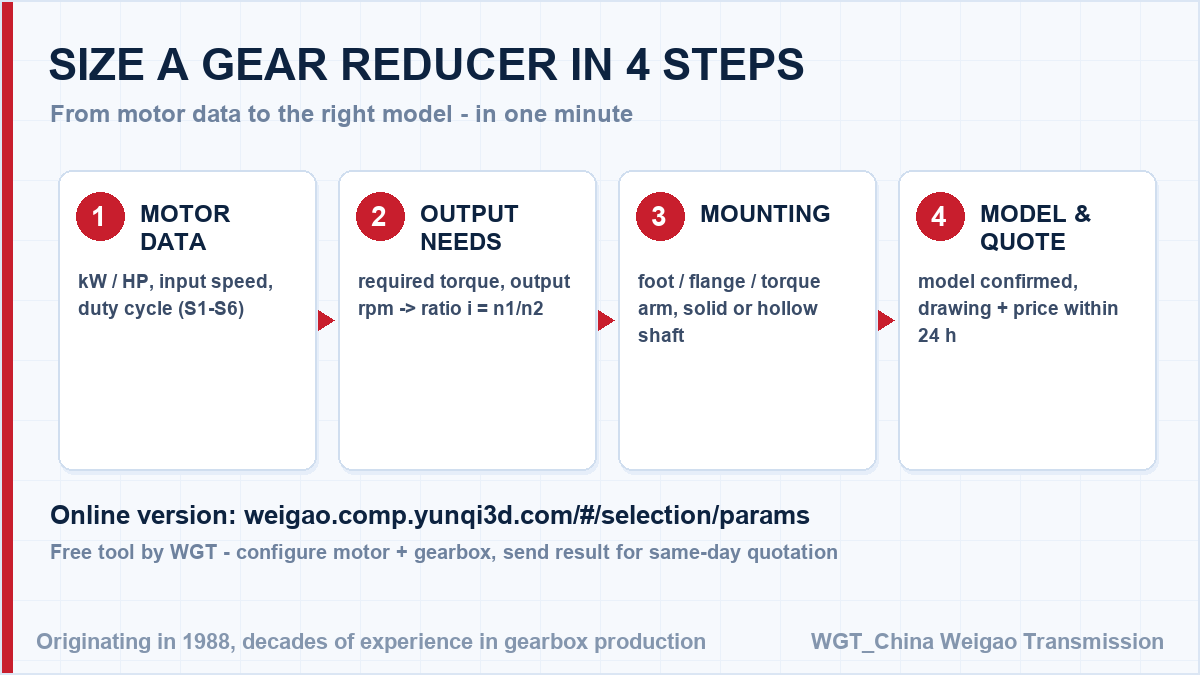
Take a 30 kW motor at 1470 rpm turning the discharge belt at 34 rpm. The ratio follows directly: 1470 / 34 = 43.2, so a ratio near i=43 comes out of the two-stage right-angle band, and the frame is confirmed against the kiln-side ambient rather than the hall average, with the wash-down chemistry and the turning-floor start count written into the same order line. In this case frame four carries maltings duty on a bore keyed to the head shaft, a torque arm pinning reaction into existing steelwork, and seals and paint chosen for malt dust and scheduled cleanout. The ratio is the easy part. The service factor for the shock level is what makes the selection safe, and we check that for you at no charge.
![how to choose a speed reducer model]()
Ratio first, then torque, then frame size: the standard selection route.
Duty Data In, Firm Model Out
Three numbers decide it. The WGT Motor & Gearbox Online Selection System covers motor power, ratio and mounting on one screen - enter your numbers and see the model immediately.
Motor power and speed, required output speed and the driven-machine description fix the selection. Send them and the confirmed model, service factor and price come back in writing the same day. Looking for a gearbox for steel mill? Tell us the duty point and we will confirm the model in writing.