A coal yard is a drive's worst neighbour and its best teacher. The fuel arrives wet and arrives frozen, it dusts every surface in the gallery, and it occasionally arrives as a lump the size of a suitcase that jams a chute and stops a belt dead. The MC2RLHF08 right-angle hollow shaft gearbox is the frame this family quotes for that environment: bunker feed belts, transfer galleries and the yard conveyors that keep a boiler fed through the night.
This page is written for the engineers and fitters who own those drives: how coal dust behaves as an abrasive and as a fuel, what a frozen stockpile does to a winter start, why a dozer bump matters more than a catalogued overload, and how the boiler's appetite becomes a torque trace at the head shaft. It ends with the enquiry sheet that turns a yard drive into a dependable one.
Coal Dust, Freeze and the Fuel Yard
Nothing about a coal yard is stable. Moisture content swings with the weather and the supplier, the heap drains and rewets, and in a cold snap the top metre freezes into a slab that has to be broken before it can be moved. A drive on a yard conveyor therefore lives with two opposite problems in the same year: dust in July and ice in January.
The frame does not choose the fuel, so the order has to. Declared moisture range, declared winter minimum, declared dust loading and the way the yard actually breaks frozen lumps - these four facts decide seals, breathers, paint, oil grade and heater arrangements far more than the tonnage figure does.
Reading the MC2RLHF08 String
The type code is the same shorthand used across this family, and on a fuel-yard drive every letter answers a question the site will ask sooner or later.
| MC | Industrial gear unit family built for continuous plant duty |
| 2 | Two gear stages, one helical pair and one bevel pair in a right-angle case |
| R | Right-angle layout, motor at ninety degrees to the belt axis |
| L | Horizontal build, output axis parallel to the ground |
| H | Hollow output bore, keyed straight onto the conveyor head shaft |
| F | Footed housing with reaction pads against the gallery steel |
| 08 | Eighth frame, the heavy band of the hollow-bore ladder |
The string fixes geometry. The order must carry the yard: fuel type and blend, moisture and freeze behaviour, the dust regime, the transfer points upstream, the boiler's load pattern, and whether the belt runs continuously or only when the bunkers call. A frame chosen from these facts runs quietly; one chosen from a power figure alone spends its first winter explaining itself.
Frame Eight Where the Belt Meets the Bunker
Frame eight appears where a yard conveyor stops being an internal transfer and becomes the artery of the plant: the main feed belt from the stockpile to the bunker bay, the reclaim runs under the heap, and the long inclined galleries that climb to the boiler house. Bore size, torque authority and thermal margin all sit in the upper half of the range here.
What the frame buys is steady authority at a big head shaft. Slow gearing multiplies torque without multiplying speed, bearings are sized for the pull of a loaded belt, and the case carries enough oil to absorb a summer gallery that has no shade and no air movement.
Combustible Dust and the Sealed Case
Coal dust is abrasive and it is also fuel. Settled layers on a hot case top are a housekeeping problem with a safety dimension, and a breather that inhales dust is a slow way of turning the inside of a gearbox into a sediment trap. Neither fact tolerates a catalogue-standard approach.
The order answers both: a breather that filters what the gallery breathes, a dust lip ahead of the output seal, case joints and covers treated as sealed surfaces rather than resting places, and a paint system that survives wash-down and abrasion without becoming the fuel itself. Yards that wipe case tops on the shift walk find dust as a smudge; yards that wait find it as a crust with a temperature inside it.
Frozen Lumps and the Winter Start
The hardest start of a coal conveyor's year happens at four in the morning in February: a belt loaded with frozen fuel, idlers stiff with ice, and a gearbox whose oil has spent the night at minus fifteen. The drive sees this as a long, deep torque pulse that no summer running figure predicts.
Winter readiness is specified, not improvised. Oil grade chosen for the coldest night rather than the average month, a heater arrangement agreed at order time where the site cannot guarantee a warm start, a start procedure that lets the belt break free before the bunker calls for full rate, and a rule that a tripped start is investigated rather than retried until something gives. A yard that plans its February runs its July with the same bearings.
Stockpile Dozers and Accidental Loads
Mobile plant and fixed conveyors share the same ground, and occasionally they meet. A dozer blade against a belt, a lump dropped from a bucket onto a running conveyor, a chute blockage cleared with a crowbar while the drive is still trying - these are the events that decide whether a frame's service factor was honest.
No catalogue can rate a dozer, but the order can declare the risk: whether the belt is protected by a torque limiter or a shear pin, what the controls do when a belt stalls, how quickly an operator can stop the drive from the yard, and how often the site has needed to clear a jammed chute under load. Frames specified with these answers survive the accident that was always going to happen.
Boiler Demand and the Swing in Tonnage
A boiler does not ask for coal evenly. Demand follows steam load, steam load follows the plant, and the fuel yard answers by starting and stopping belts rather than by running them at a different speed. For the drive, that means many starts a day at unpredictable intervals and long idle periods in between.
Start frequency is a duty parameter in its own right. Every start heats the motor and loads the gearing before oil film is fully established; a belt that starts twenty times a shift accumulates more wear than one that runs the same hours continuously. Declaring the actual start count lets the frame be sized for the duty it has rather than the duty the tonnage suggests.
Two-Belt Transfers and the Head Chute
Most yard drives sit at a transfer: one belt delivers into a chute, the chute loads the next belt, and the second drive pays for whatever the first one does badly. A chute that surges, a skirt that pinches, a discharge that lands off-centre - all of it arrives at the downstream gearbox as torque ripple that looks like a gearing problem and is not.
It is worth walking the transfer with the drive in mind: discharge trajectory, chute angle and wear liners, skirt clearance, and whether the receiving belt is centred under the stream. Transfers tuned once a year keep two gearboxes cool; transfers left alone quietly convict the wrong component.
Oil, Water and the Wash-Down That Never Comes
Coal yards are dusty places that rarely get washed, and that combination is harder on a drive than a wet process line. Water arrives as rain through the gallery roof, as seepage under the heap, and as condensation on cold nights; dust arrives continuously and turns every drip into a paste that holds moisture against paint and seal lands.
The practical discipline is small: level and colour checked on the same walk that clears the case top, samples drawn on a calendar rather than on suspicion, water detected early by the milky look that precedes bearing damage, and a change interval shortened where condensation is a fact of the climate. A sump treated as an instrument tells the truth about a yard long before the bearings do.
Bearing Life on a Dust Diet
Bearings in a coal gallery fail on a schedule set by the dust that reaches them, not by the load they carry. Fine coal finds the gap behind a lip seal, mixes with oil mist, and becomes a grinding paste that removes clearance in fractions of a millimetre per month - invisible until the vibration signature moves.
Seal choice, breather quality and a monthly vibration reading are the three levers. A dust lip ahead of the main lip, a filtered breather sized for the gallery's air, and a trend line that is read rather than filed turn a bearing into a planned item on a shutdown list instead of an unplanned stop in the middle of a cold snap.
Writing the Enquiry for a Fuel-Yard Drive
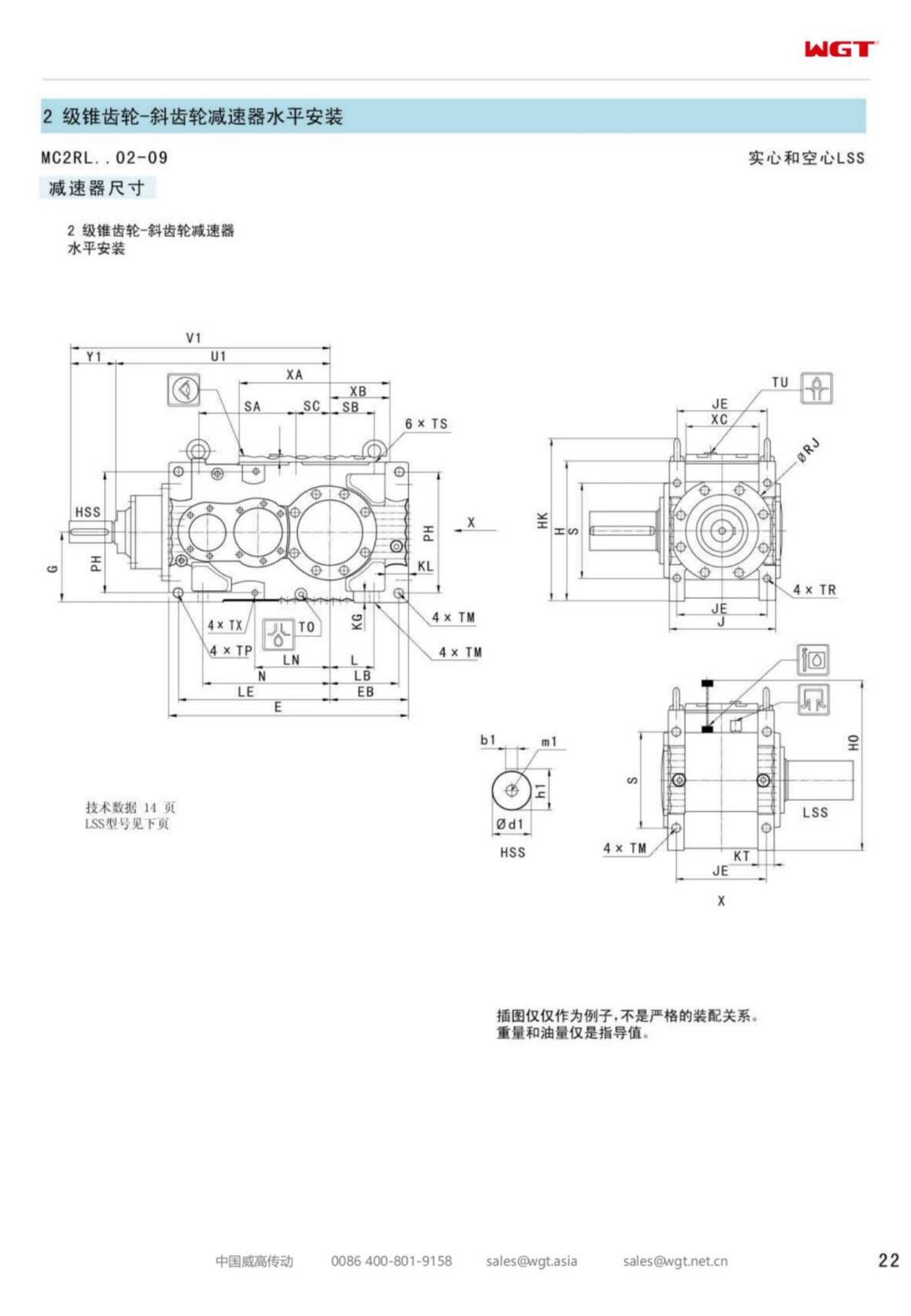
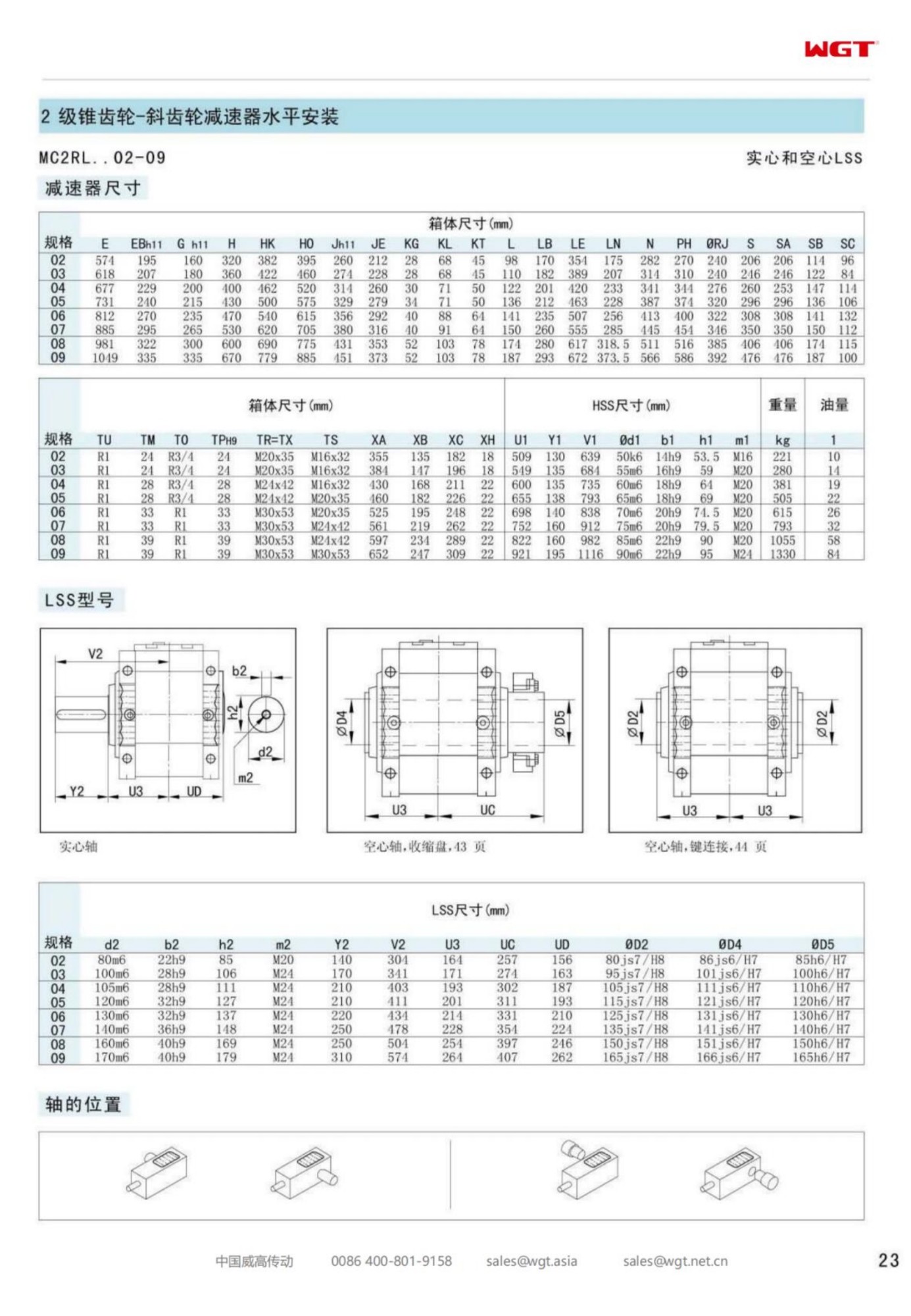
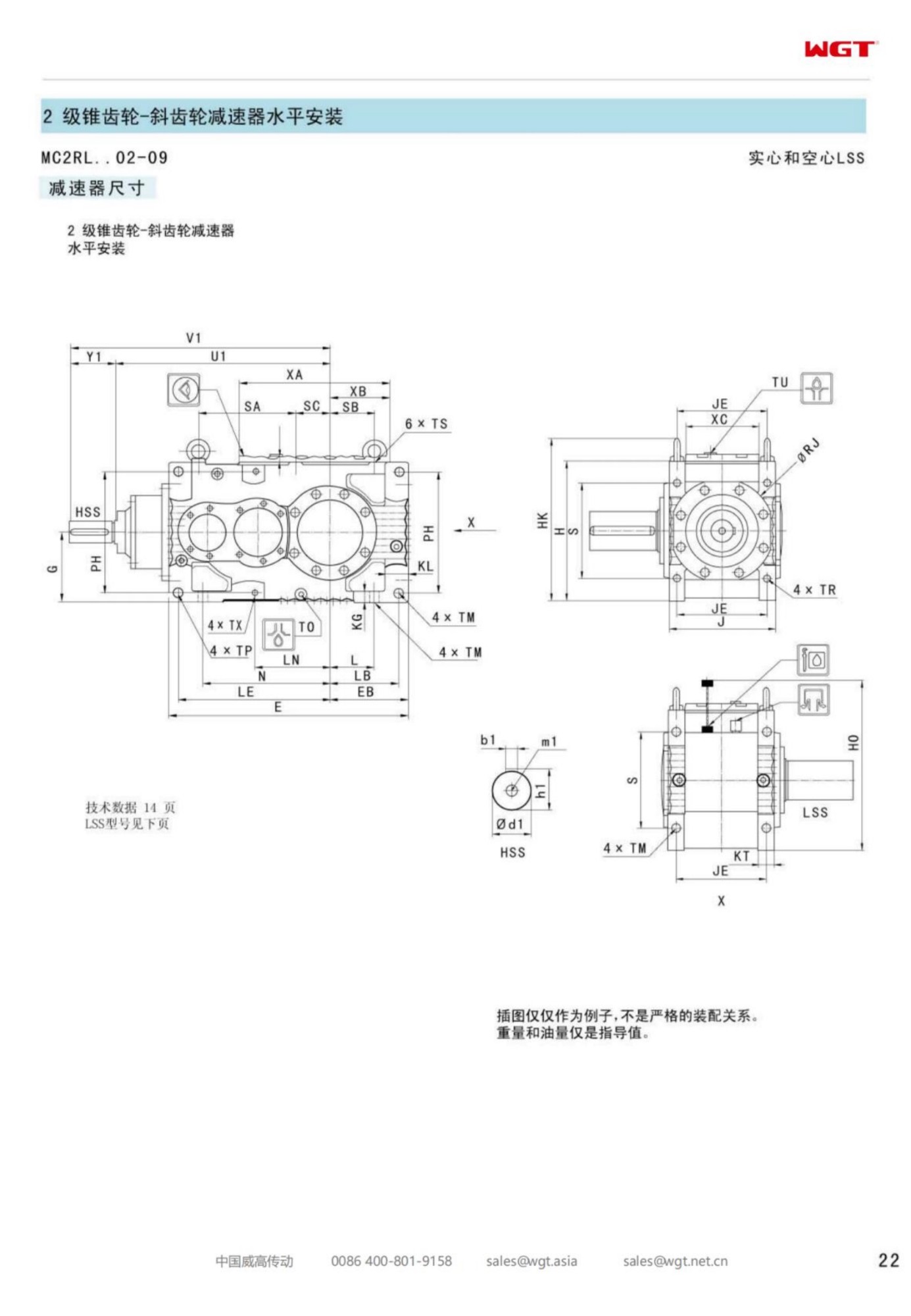
The enquiry that gets this frame right reads like a yard description: shaft diameter, keyway and seat length at the head shaft; belt width, length, incline and tonnage; fuel type, moisture range and winter minimum; the start count per shift; the protection scheme and what happens on a stall; dust regime and wash-down practice; and the reaction steel available for the bracket.
The reply should answer item by item: bore and keyway against the drawing, ratio and speed at the pulley, service factor argued from the start pattern and the stall risk rather than the average load, seals and breather named for the dust, oil graded for the coldest night, and heaters or monitoring listed if the site needs them. One page each way, and the frame arrives specified for a yard rather than for a brochure.
A Frame Eight Through a Heating Season
The report card on a yard drive is written in March: seals that did not weep through the thaws, an oil sample with no water in it, bearings whose trend lines are flat, and a maintenance log with no unplanned stops in it. Frames that earn that card were hung on measured shafts, given a breather that filters, and sized against the starts and stalls the yard actually produces.
Frame eight carries its half with slow-turning authority, a sealed case and a thermal margin sized for a gallery in August. The site's half is the walk, the sample calendar and the honest enquiry. Yards that pay both halves heat their boilers all winter with the same drives they started the season with - which is the only reliability figure that ever mattered.
Frozen lumps, coal dust and a boiler that never waits - frame eight runs the fuel yard:
- Main bunker feed conveyor from the stockpile to the boiler house
- Reclaim conveyor running under a coal stockpile
- Transfer gallery belt between the crusher house and the yard
- Coal feed conveyor at a captive power plant
- Limestone handling belt at a fluidised bed boiler
- Yard conveyor feeding a wagon loading station
Field Applications
Lime kiln auxiliary drive
A lime producer fits a smaller industrial gear unit as the auxiliary drive of its rotary kiln. Turning the kiln slowly during shutdowns and start-ups is exactly the low-speed, high-torque duty the frame was chosen for.
Tunnel boring backup drive
A tunnelling contractor uses industrial gear units on the backup gantry conveyors of its TBM. The units arrived dimensionally matched to the gantry interfaces, so installation took hours rather than days.
![where gear reducers are used in industry]()
Where these units are installed across industry.
Selection Example: Coal yard conveyor feeding the bunker bay of a thermal power station
Take a 55 kW motor at 1480 rpm turning the head shaft at 48 rpm. The ratio follows directly: 1480 / 48 = 30.8, so a ratio near i=31 comes out of the two-stage right-angle band, and the frame is confirmed against the start count and the stall risk of a fuel yard rather than the running tonnage, with the dust and winter package written into the same order line. In this case frame eight carries yard duty on a sealed case with a filtered breather, seals chosen for coal dust ahead of the lip, and oil graded for the coldest night the site records. Once the ratio is fixed, check the required output torque against the rating table with the service factor applied - that is what decides the frame, not the ratio alone.
![gearbox selection guide: speed, torque, service factor]()
How a ratio and a frame size are determined, step by step.
Frame Sizes and Typical Duties
| Model | Centre distance | Output | Typical duty |
|---|
| M3PSF50 | size 50 | solid shaft, foot | conveyors, feeders |
| M3PSF60 | size 60 | solid shaft, foot | crushers, mixers |
| M3PSF70 | size 70 | solid shaft, foot | ball mills, shredders |
| M3PSF80 | size 80 | solid shaft, foot | kilns, heavy conveyors |
| M3PSF90 | size 90 | solid shaft, foot | mill and kiln drives |
| M3RSF50 | size 50 | solid shaft, foot, right-angle | inclined conveyors, elevators |
| M3RSF60 | size 60 | solid shaft, foot, right-angle | screw classifiers, feeders |
| M3RHF70 | size 70 | hollow shaft, foot, right-angle | agitators, drum drives |
| M3PHT80 | size 80 | hollow shaft, torque arm, parallel | shaft-mounted conveyors |
| M3RHT90 | size 90 | hollow shaft, torque arm, right-angle | heavy shaft-mounted drives |
The size number is the key dimension that steps up torque capacity through the range: 50 to 90 in horizontal builds, 10 to 90 in vertical builds. Gearing philosophy is shared across the family.
Gearbox Selection Support from the Factory Floor
Talk to the people who build it. Engineers can size the unit themselves in the WGT Motor & Gearbox Online Selection System - input speed, torque and duty, get the model instantly.
Our technical team sits beside the assembly line, not in a call centre. Describe the application in your own words - we will tell you honestly whether this series is right, or point you to a better frame or a different series. Looking for a gearbox for crusher? Tell us the duty point and we will confirm the model in writing.
Common Questions from Buyers
Can the reducer be supplied with a brake motor or an IEC motor flange?
Yes. We supply the reducer as a bare unit with an IEC standard input flange, and you can bolt on any IEC or NEMA motor - including a brake motor. The flange dimensions follow the common IEC pattern, so existing motors drop straight on.
What is the service factor and how is it applied?
The service factor is a multiplier applied to your required torque to cover shocks and duty class - typically 1.0 for uniform duty, 1.25 for moderate shocks, 1.5 or more for heavy shock loads. Send us the driven machine and duty and we will apply the correct factor.
What ambient temperature range can the unit work in?
Standard units suit -10 to +40 deg C ambient with the supplied mineral oil. For lower temperatures we fill with synthetic oil; for higher ambient or frequent starting we advise the next larger frame or an oil cooler.