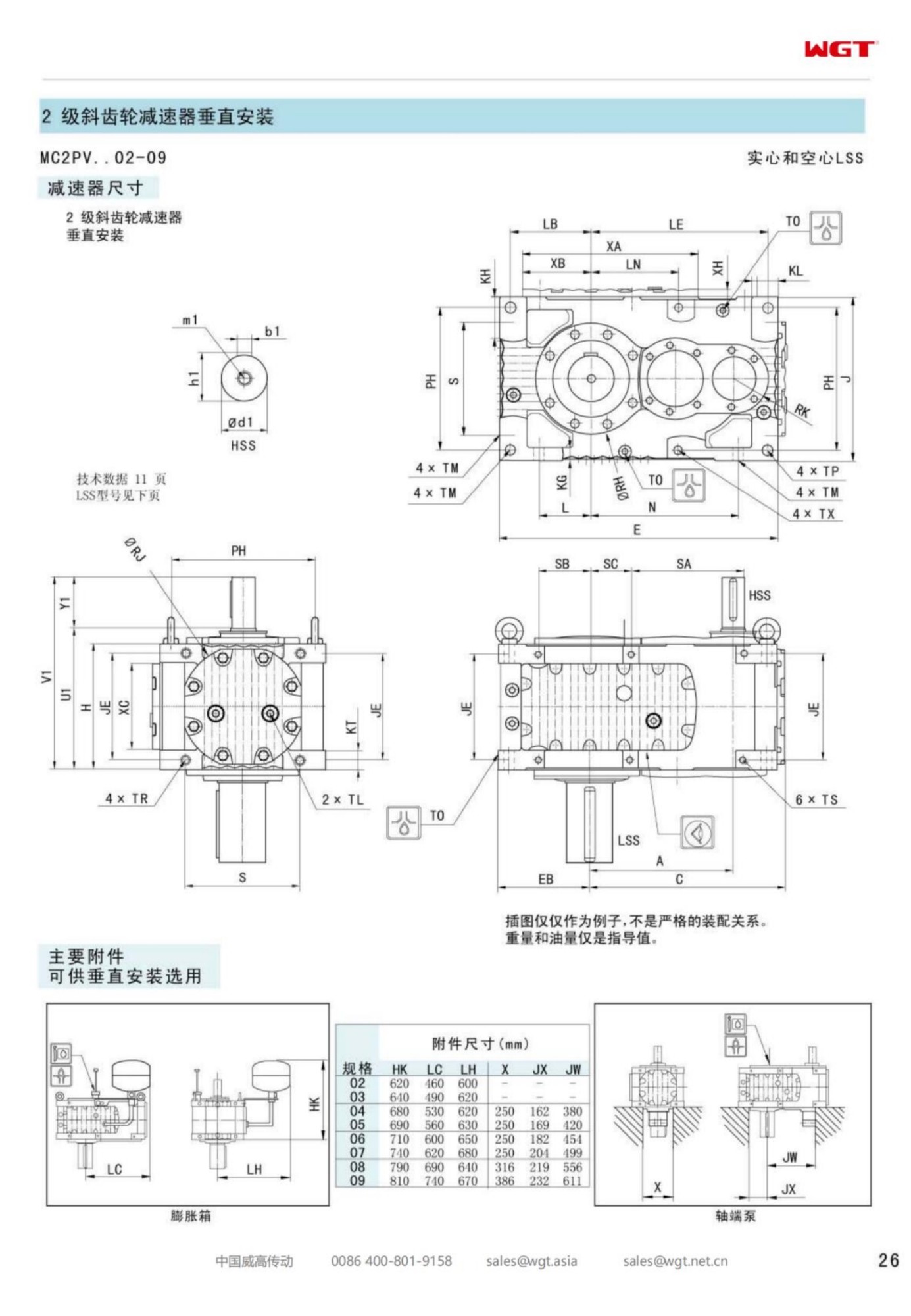
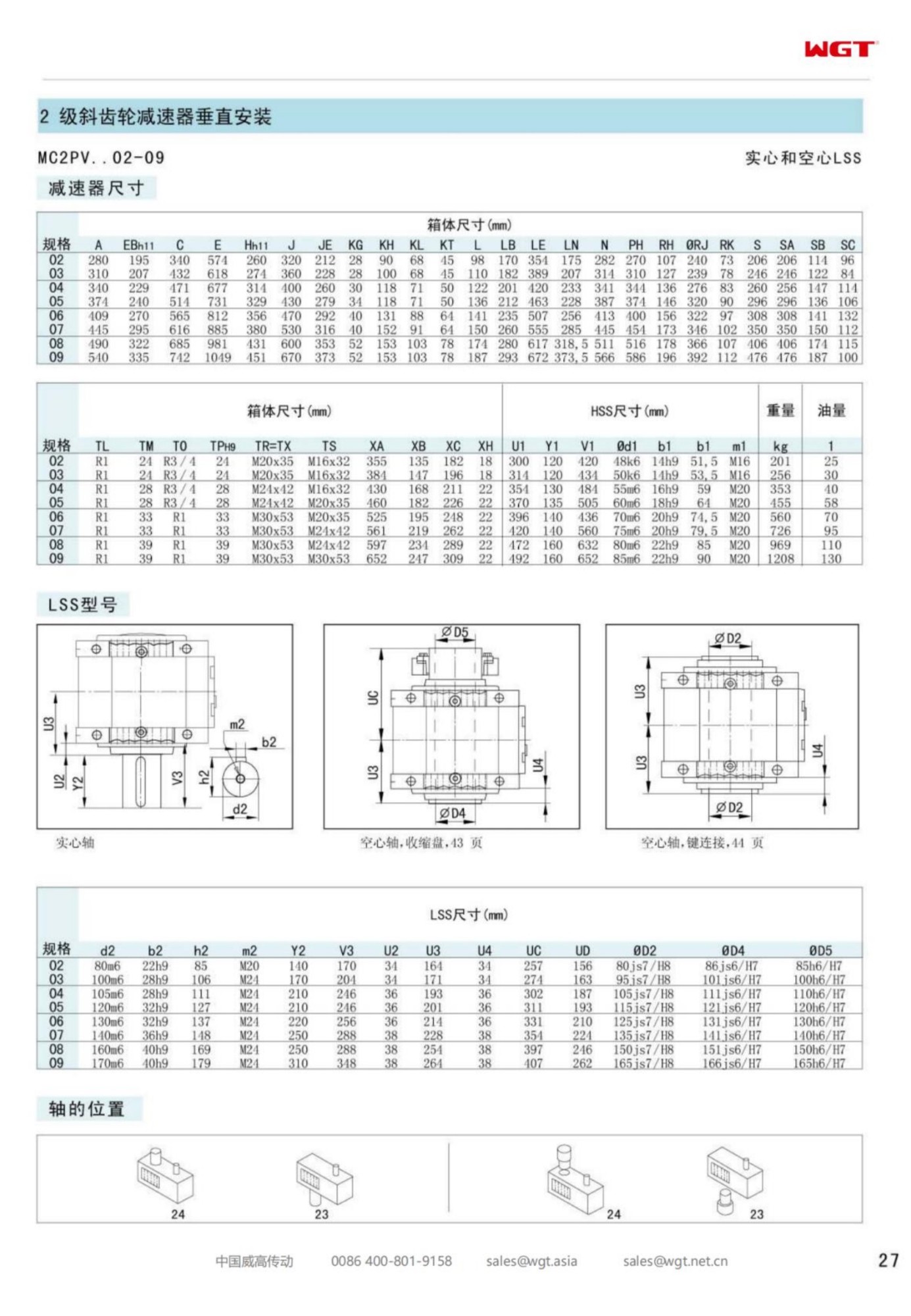
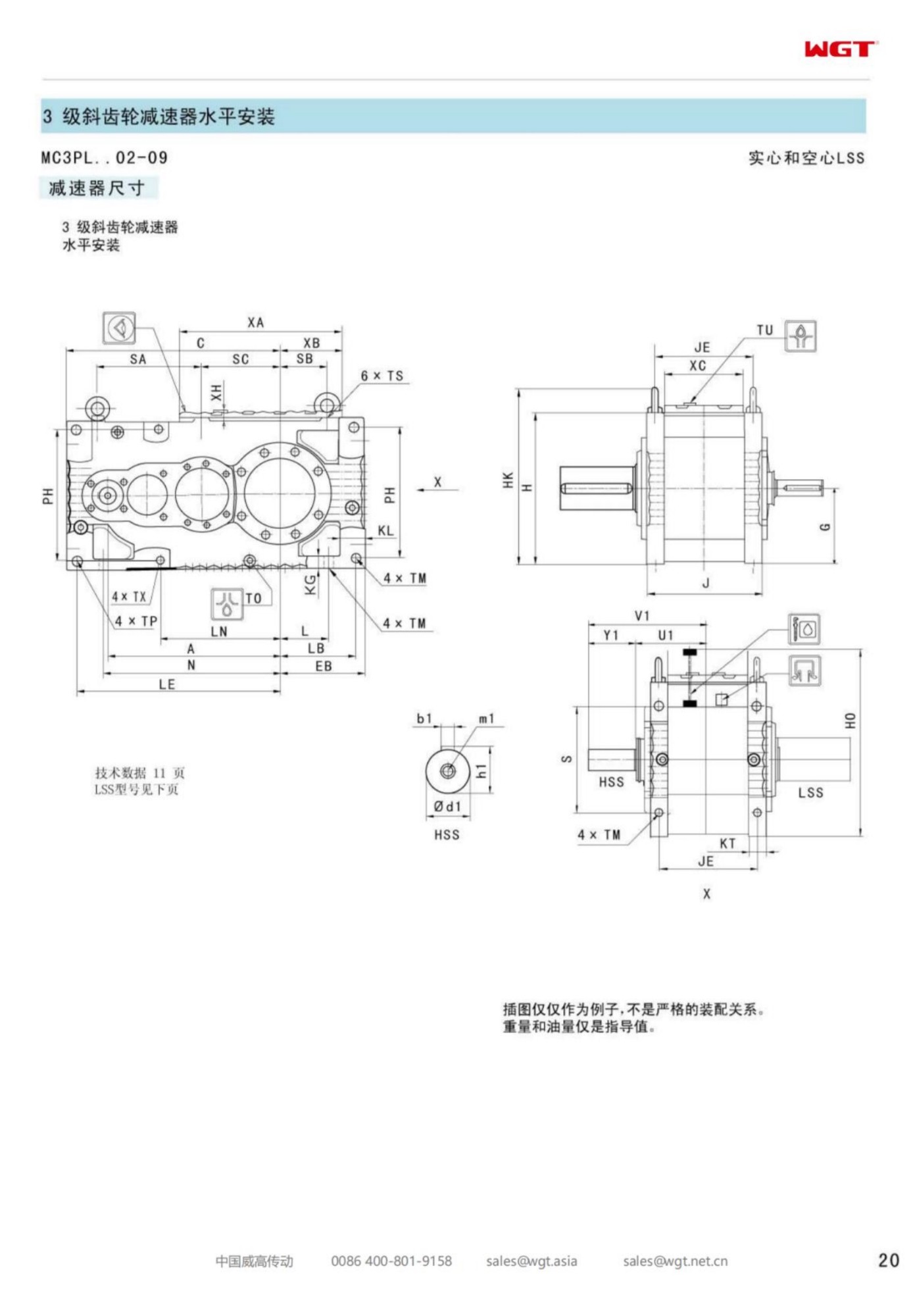
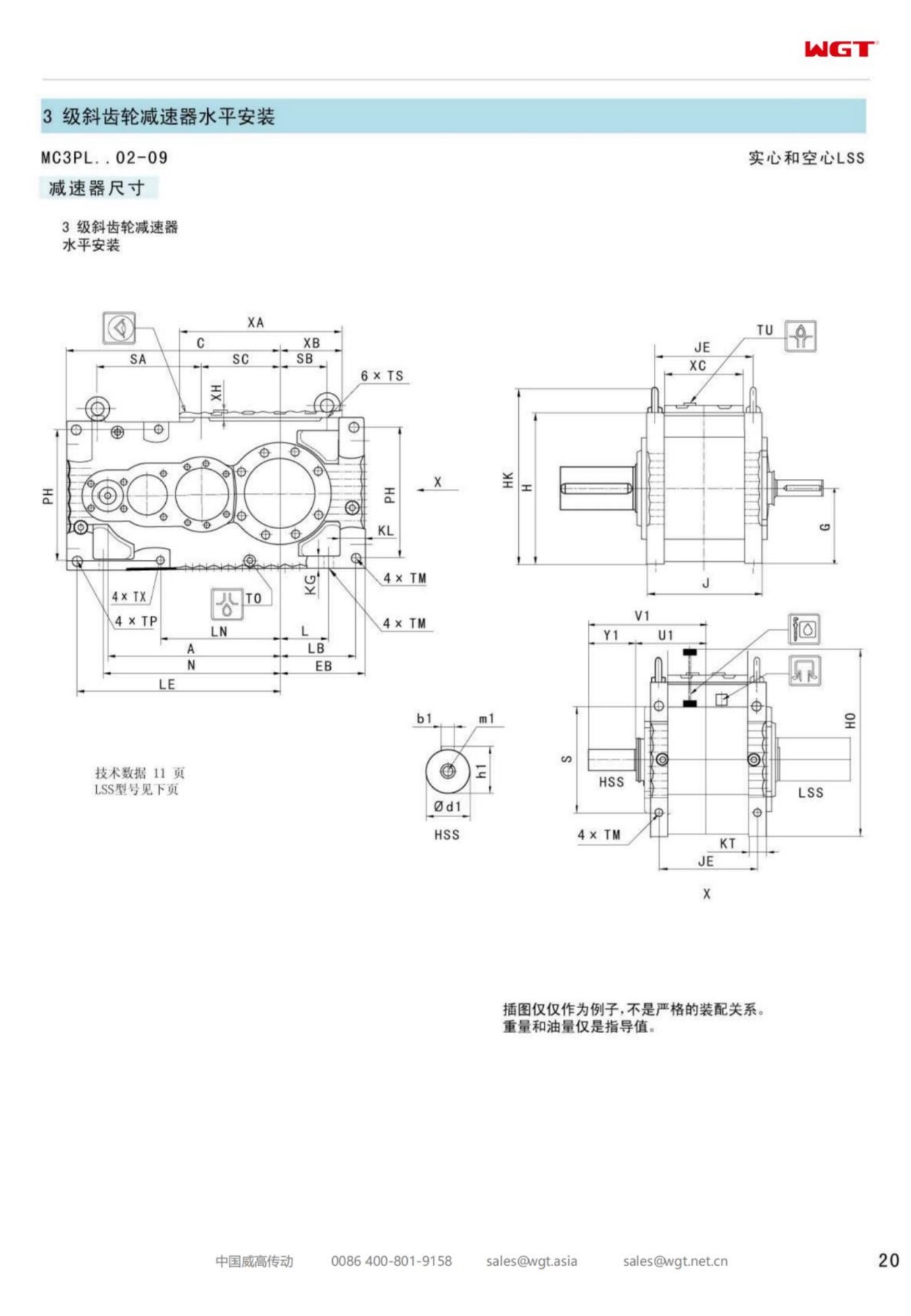
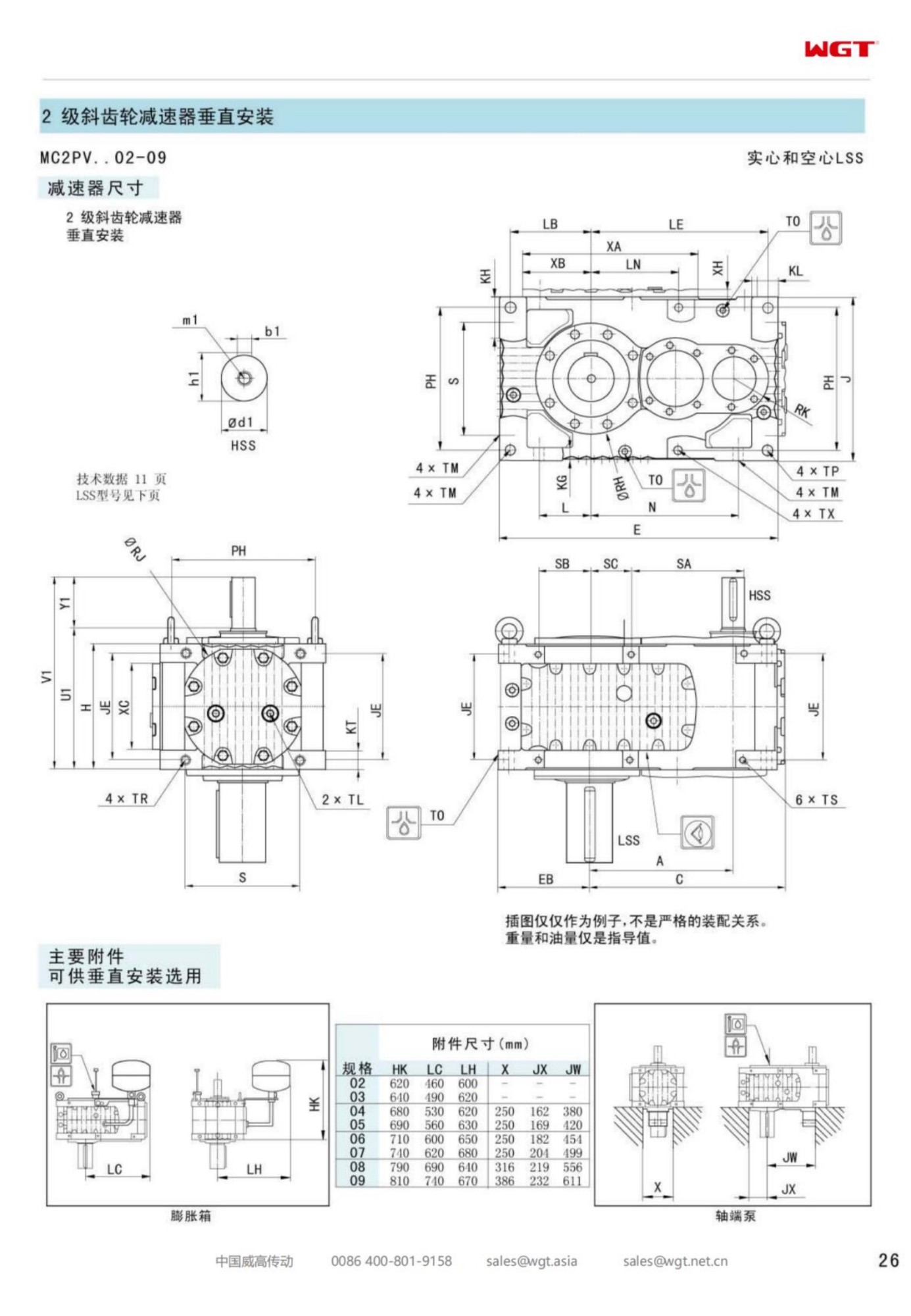
A paper mill runs to a rhythm that hides wear: the machine never stops for long, the chests are never fully empty, and an agitator that has drifted is only noticed when consistency wanders or a breaker trips. The MC2PVHF07 vertical hollow shaft gear unit is the frame this family quotes for that world - stock chests, machine chests and the round-the-clock agitation duty where hours accumulate faster than almost anywhere else in industry.
This page is about running a hanging drive where it cannot rest: what a chest agitator asks at start-up after a settled batch, how vibration tells the story of fibre build-up, why the oil programme matters more here than the torque margin, and how shutdown windows - rare and precious - get used well.
Frame Seven and the Round-the-Clock Mill
Hours are the defining load in a mill. A chest agitator that runs 8,300 hours a year compresses twenty years of intermittent duty into ten, and every weak point in the drive train - a marginal seal, an average breather, a fit that was almost right - arrives early. Frame seven exists for the torque tier those chests reach, but the specification that matters is written in hours, not kilowatts.
Plants buying this frame are usually scaling proven duty: another chest, a wider machine, a consistency upgrade. The buyers who do well send their hours and their downtime rules with the enquiry, because a drive specified for a mill is really specified for the mill's shutdown calendar.
Decoding MC2PVHF07
The type string fixes the geometry; the duty fixes everything else.
| MC | Industrial gear unit family built for continuous plant duty |
| 2 | Two helical reductions inside one upright case |
| P | Parallel-shaft layout, input and output on parallel axes |
| V | Vertical build, output axis pointing down into the vessel |
| H | Hollow output bore, the process shaft passes through it |
| F | Footed reaction pads bolted to the vessel bridge or deck |
| 07 | Seventh frame, the tier quoted for heavy continuous chests |
Read as an order document, the string promises the torque tier and the hanging construction. What it cannot promise is the environment package - seals for stock temperature, a breather for humid mill air, an oil programme for a unit that rarely cools - and in a paper mill that package is the difference between a drive that blends into the background and one that earns its own maintenance line.
Stock Chests and What They Ask of a Drive
A chest agitator does quiet work badly misread: it sweeps a column of fibrous slurry that settles when the agitator stops and resists being started again. The running torque of a well-suspended stock is modest; the starting torque after a weekend shutdown can be several times it. A drive sized on the running number passes every steady-state check and still trips the motor on Monday morning.
This is why the duty class on a mill enquiry should say what actually happens between runs: how long the chest sits, whether it is diluted before restart, whether the agitator is bumped or started on line. Frame seven carries the settled-start case when it is declared; when it is not, the plant discovers the margin question during the first long weekend.
Consistency, Settling and Starting Torque
Consistency is the variable that rewrites the torque curve. Two points either way - from three percent fibre to five - can double the load the shaft sees, and chest level, temperature and stock type all push the same direction. The buyers who quote their worst consistency, not their average, get frames that coast through the exception; the ones who quote the average get drives that live on their trip curve.
Settling adds the time dimension. Stock left static thickens at the walls and compacts at the floor; the first minutes of an agitator restart tear through that structure. A restart discipline - dilute, bump, then run - protects the drive more cheaply than any oversizing, and it costs nothing but a written instruction at the chest.
Duty Cycles That Never Really Stop
Continuous duty sounds easier than shock duty, and in one sense it is: no impact, no reversing, few starts. Its cruelty is different - temperature equilibrium. A gearbox that never cools runs its oil warm for its whole life, and warm oil oxidises, and oxidised oil thins, and thinned oil lets metal meet metal in a corner of the case nobody inspects until the noise arrives.
Frame seven's sump and surface are sized for the equilibrium, but the oil grade and the interval are the buyer's half of the bargain. Mills that sample oil on the machine calendar instead of the calendar alone catch the drift in a lab report; mills that change oil only when something is wrong meet the wear directly.
Vibration Signatures on a Chest Agitator
A hanging drive over a chest gives readable signals to anyone who records them. Fibre build-up on an impeller announces itself as a slow rise in one-per-revolution vibration; a worn bottom bearing shows as a change in the higher orders; a loosening pad telegraphs down the shaft as a rub that appears at level. None of it is subtle once a baseline exists.
The baseline is the whole trick, and it costs one measurement week. Mills that recorded their frame seven units healthy can read the drift years later in an afternoon; mills that never recorded anything must diagnose from noise alone, during a run, over a chest that cannot be emptied for the visit. The vibration baseline belongs in the commissioning paperwork, and it is the cheapest document in the file.
Fibre Build-Up, Balance and Cleaning
Stock leaves its mark. Impellers gain a collar of fibre that hardens, shifts the balance, and loads the bore and bottom bearing in a pattern that no torque calculation predicts. The standard countermeasure is a wash cycle on a schedule - before the collar is thick, not after - and a glance at the impeller whenever a shutdown window opens.
Balance work belongs with the cleaning. An impeller that has run years with a collar and then loses it in one cleaning sees its load pattern change overnight; crews that note the vibration before and after keep the drive's story straight. The gearbox does not care why the load changed - only that the bearings now live on a different diet, and the log is what connects the two.
Humidity, Heat and the Mill Air
Mill air is a working fluid for everything it touches: warm, humid, often carrying fibre and chemical mist. A breather on a chest-side drive inhales that air thousands of times a day. The units that age well breathe through filters meant for the atmosphere they actually have, and their breathers are inspected as routinely as the seals - because a blocked breather turns every thermal cycle into a pressure test of the lowest seal.
Where the hall runs hot over warm stock, the ambient sums with the oil temperature and the specification should admit it. A small change - oil chosen for the summer band, fins kept clear of fibre dust by the same crew that cleans the machine - keeps the equilibrium on the right side of the oxidation curve for decades.
Oil Care on a Drive That Cannot Rest
Oil on this frame does three jobs at once: film, cooling and water handling, because chest-side units condense moisture into their sumps on every stop. The programme that works is boring and firm: level checked against the mark, sample pulled on a fixed interval, change on condition rather than folklore. Synthetic grades earn their cost wherever the equilibrium runs warm; a sump heater earns its cost wherever the chest sits in a cold bay.
The failure pattern when oil care lapses is never sudden. It is a bearing that runs a degree warmer each quarter until the vibration baseline notices, then the noise does, then the shutdown does. The entire chain was visible in the first sample that nobody pulled.
Shutdown Windows and Seal Work
Mill shutdowns are budgeted to the hour, and the hanging drive should enter that budget by name: lower seal lip inspected or exchanged on the planned interval, breather swapped, pads checked, oil pulled while the unit is still warm. A drive prepared this way consumes two hours of a window that already exists; a drive left to its own devices spends its unplanned failure inside the same window, plus the ones after it.
The crews who do this well keep a one-page card per unit, filled in each shutdown, so the next crew inherits the history instead of re-deriving it. The card costs nothing and it is the reason some frame seven units pass decade marks without ever having stopped the machine.
Writing a Mill Enquiry
The enquiry that gets this frame right reads like a shift report: chest dimensions and agitator drawing, consistency at its worst, hours per year, restart discipline, stock temperature, ambient conditions, and the shutdown calendar the unit must live with. Torque and speed are the easy lines; the hours and the restart story are the ones that change the specification.
The reply worth holding a factory to answers the same structure: frame and ratio with margin shown against the settled start, seal and breather package named for the mill air, oil grade and interval written for continuous duty, and the vibration baseline offered as part of commissioning. One email each way - that is the entire craft of buying this frame well.
A Frame Seven Year at the Mill
A good year on this frame is monotonous. The log shows oil samples inside limits, vibration within a whisker of the baseline, one seal set exchanged inside a planned window, one oil change nobody had to argue about. The chest above it never notices the drive exists, which is the highest compliment a chest agitator can earn.
That monotony is manufactured by the enquiry that told the truth about hours, the breather suited to the air, the oil programme kept firm, and the shutdown work done while the window was open anyway. Frame seven asks for more of everything than the frames below - more hours, more heat, more patience - and it returns the same in years that never appear on the maintenance report.
Stock chests, round-the-clock agitation and a mill that never stops - frame seven lives there:
- Stock chest agitator at a kraft pulp mill
- Machine chest agitation on a papermaking line
- Broke chest drive at a recycled-fibre mill
- Coating colour kitchen agitation at a paper mill
- White-water circulation chest at a board mill
- Seal tank circulation duty at a pulp bleach plant
Model Range and Centre Distances
| Model | Centre distance | Output | Typical duty |
|---|
| M3PSF50 | size 50 | solid shaft, foot | conveyors, feeders |
| M3PSF60 | size 60 | solid shaft, foot | crushers, mixers |
| M3PSF70 | size 70 | solid shaft, foot | ball mills, shredders |
| M3PSF80 | size 80 | solid shaft, foot | kilns, heavy conveyors |
| M3PSF90 | size 90 | solid shaft, foot | mill and kiln drives |
| M3RSF50 | size 50 | solid shaft, foot, right-angle | inclined conveyors, elevators |
| M3RSF60 | size 60 | solid shaft, foot, right-angle | screw classifiers, feeders |
| M3RHF70 | size 70 | hollow shaft, foot, right-angle | agitators, drum drives |
| M3PHT80 | size 80 | hollow shaft, torque arm, parallel | shaft-mounted conveyors |
| M3RHT90 | size 90 | hollow shaft, torque arm, right-angle | heavy shaft-mounted drives |
Frame sizes in this series follow a widely used industrial dimension ladder: foundations, couplings and guards of the existing installation are reused as they are.
Proven Installations
Asphalt plant aggregate feeder
An asphalt plant powers its aggregate feeders with reducers in outdoor, dusty conditions. The cast-iron housing and standard paint finish have come through several winters without refurbishment.
Fertiliser granulator drum
A fertiliser producer drives granulator drums with gear units. The slow, high-torque rotation needed to tumble the granules is a natural fit, and the torque-arm option avoids a heavy base frame.
![gearbox applications in quarry food and water plants]()
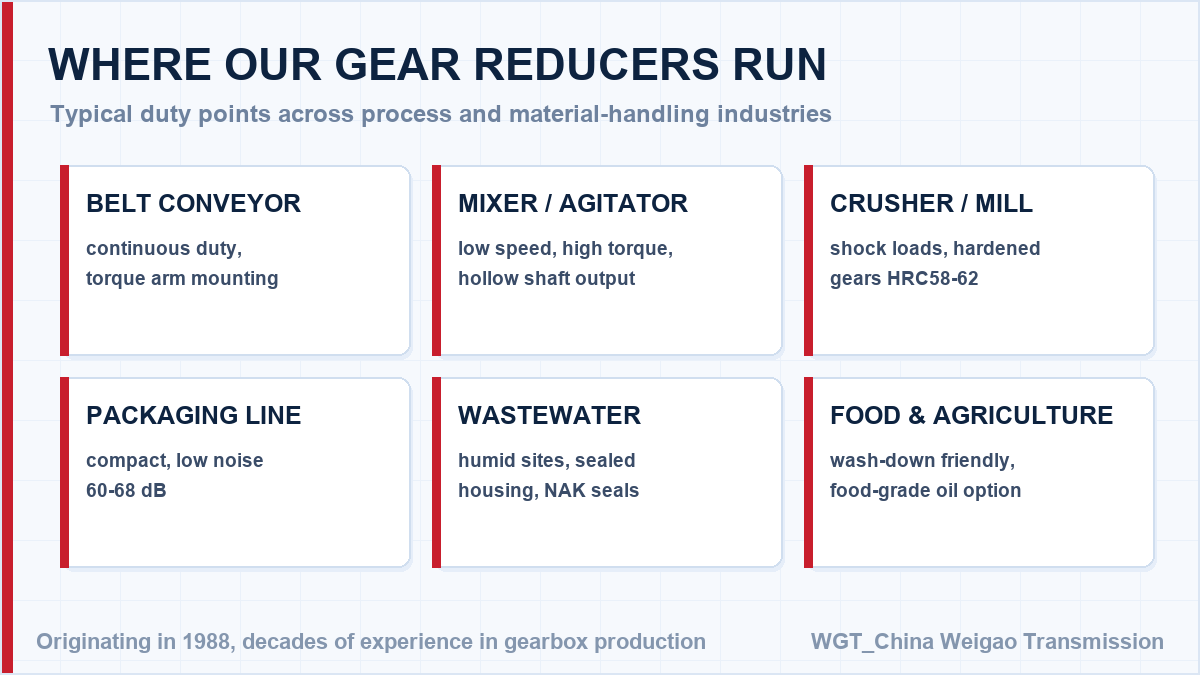
Conveyor, mixer, crusher and wastewater duties share the same gear family.
Selection Example: Machine chest agitator on a papermaking line at a kraft mill
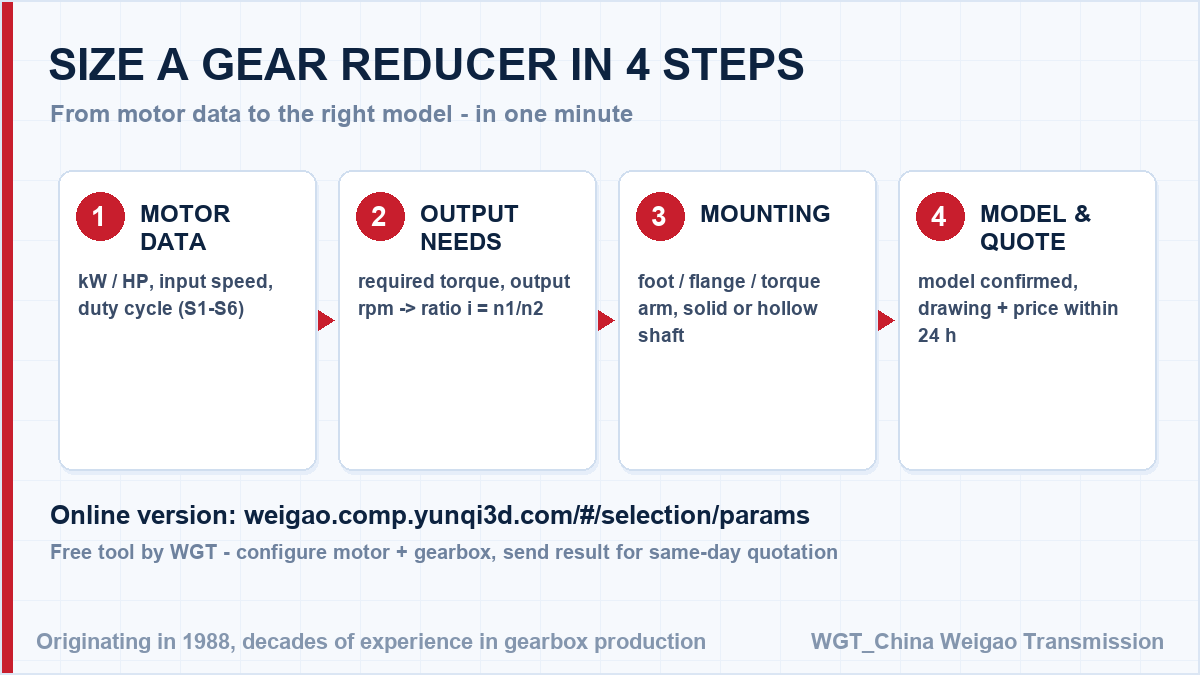
Take a 55 kW motor at 1490 rpm turning the chest agitator at 27 rpm. The ratio follows directly: 1490 / 27 = 55.2, so a ratio near i=55 is selected from the two-stage band, and the frame is confirmed against the settled-start torque after a long shutdown as well as the continuous campaign hours, since the chest never empties on purpose. In this case frame seven holds the round-the-clock duty on scheduled consumables - oil sampled on the machine calendar, seal work done inside planned shutdowns, and a vibration baseline recorded from the first week. Motor speed over target speed gives the ratio; the driven machine decides the service factor, and the two together decide the model.
![industrial gear unit sizing procedure diagram]()
The four inputs the online selector asks for.
Framework Stock for Critical Spares
Can your plant afford downtime? Work out the ratio, torque and frame size yourself with the WGT Motor & Gearbox Online Selection System, then send the result - we confirm it in writing.
For critical drives we can hold finished units or long-lead internals against a framework agreement, ready to dispatch when your shutdown starts. Ask for the spares-coverage proposal. Looking for a gear reducer for textile machinery? Tell us the duty point and we will confirm the model in writing.
FAQ: Selection, Mounting and Maintenance
Can the reducer be used outdoors or in a washdown area?
Standard paint and NAK seals suit sheltered outdoor duty. For washdown or coastal sites specify the heavy-duty coating, FKM seals and stainless fasteners; for humid rooms we recommend the breather and oil-check routine in the manual.
What if the ratio I need falls between two catalogue steps?
Choose the next available step and adjust the driven speed, or ask us for a special pair of gears. Trimming the driven machine is normally cheaper than ordering a special ratio, and a slightly higher ratio never hurts the drive.